Ethical AI and Labor: DeepMind Unionization and Hiring Bias
The debate on ethical AI and its impact on the world of work is intensifying, with two recent events highlighting the need for greater transparency and accountability in the adoption of intelligent technologies. On one hand, Google DeepMind employees have unionized to oppose the military use of AI models developed by the company. On the other, a specific case has reignited the spotlight on potential algorithmic biases in recruitment processes, showing how AI can create invisible barriers to employment.
What happened
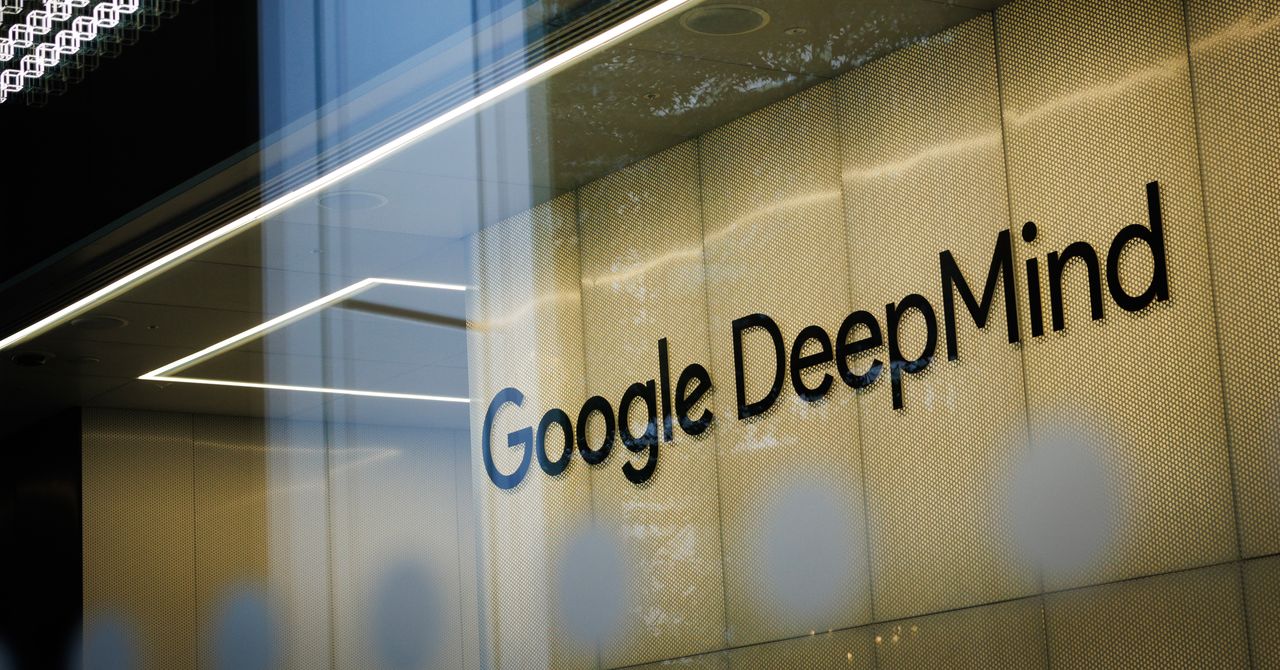
In the United Kingdom, workers at Google's AI research lab, DeepMind, have voted to form a union. The primary goal of this initiative is to block the use of the company's artificial intelligence models in military settings. This move reflects a growing concern among developers and researchers regarding the ethical and social implications of the technologies they create, particularly when applied to sensitive sectors like defense Google DeepMind Workers Vote to Unionize Over Military AI Deals. The decision by a group of highly skilled workers in a leading tech company like Alphabet to unionize sets a significant precedent, indicating a willingness to exert direct ethical control over the development and application of AI.
Concurrently, the case of a medical student highlighted the challenges associated with AI in recruitment. After unsuccessfully seeking a job for six months, the student suspected an algorithm might be responsible for his application rejections. Armed with Python skills, he conducted his own investigation, trying to understand if automated screening systems were excluding qualified candidates due to opaque criteria or implicit biases He Couldn’t Land a Job Interview. Was AI to Blame?. This episode illustrates the frustration and helplessness individuals can feel when faced with automated decisions that lack transparency and a clear appeal mechanism.
Why it matters
These two distinct events converge on a crucial point: the need for robust AI governance and clear accountability mechanisms. The unionization of DeepMind employees underscores the importance of workers' voices in shaping corporate ethical policies, especially concerning dual-use technologies. The application of AI in military contexts raises profound questions about the morality of automated warfare and the potential for conflict escalation, making employee participation a key element for responsible AI.
The recruitment case, on the other hand, directly impacts the AI future of work and fairness in access to opportunities. If selection algorithms contain biases, even unintentional ones, they can perpetuate or even amplify existing discrimination, penalizing entire segments of the population. The lack of transparency in how these algorithms make decisions prevents candidates from understanding rejection reasons and improving their applications, creating an unfair and opaque system. The impact on the individual is profound, eroding trust in selection processes and technology itself.
The HDAI perspective
These developments reinforce the vision of Human Driven AI: artificial intelligence must be designed, developed, and deployed with a human-centric perspective, where ethical values and individual protection are paramount. The internal resistance at DeepMind demonstrates that even within large tech companies, there is a growing awareness of the need to align technological innovation with strong ethical principles. Similarly, the recruitment case highlights that algorithmic transparency and accountability are not options, but fundamental pillars for a fair and inclusive future of work.
It is imperative that companies using AI for critical decisions, such as employment, adopt high standards of auditability and explainability. This includes the ability for a human to intervene, understand, and challenge algorithmic decisions. Topics like these will be at the core of discussions at the upcoming HDAI Summit 2026, where experts, policymakers, and innovators will deliberate on how to build an Italy AI summit that is not only technologically advanced but also ethically sound and socially beneficial.
What to watch
The next evolutions of these stories will be crucial. The DeepMind union's ability to influence Alphabet's policies and the adoption of a more cautious approach to military AI will be a test for the power of workers' voices in the digital age. In parallel, attention will shift to regulations, such as the EU AI Act, which aim to impose transparency and non-discrimination requirements for high-risk AI systems, including those used for recruitment. It will be essential to monitor how these laws are implemented and whether they succeed in ensuring greater fairness and trust in the AI era.