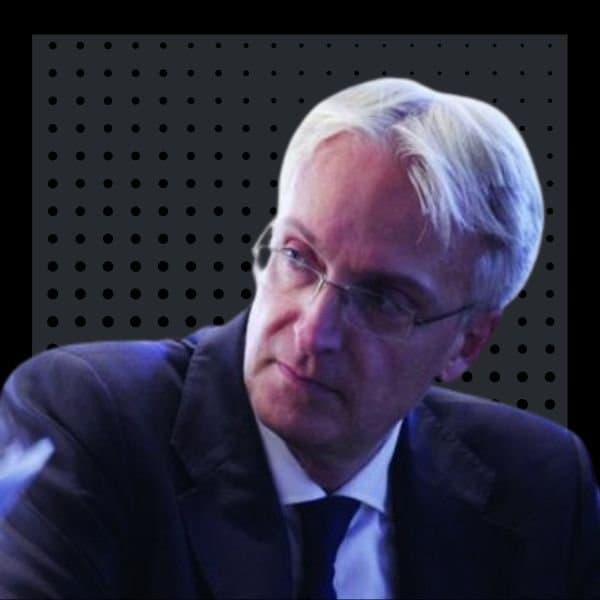
Massimo Bisogno
Director Special Office for Growth and Digital Transition
Speaker of the First Edition 2025
Biography
Massimo Bisogno serves as the Director of the Special Office for Growth and Digital Transition at Regione Campania, where he also holds the position of Head of Digital Transition for the regional entity. In this capacity, he is responsible for guiding the strategic direction for the reorganization and digitalization of the regional administration, aligning with the Italian Digital Administration Code (CAD). His mandate includes planning the digital development of the region, overseeing the implementation of digital initiatives, and ensuring unified governance for digital infrastructure, services, and cybersecurity. An alumnus of the University of Salerno with a degree in Information Sciences, Mr. Bisogno has accumulated extensive experience across both private and public sectors, consistently focusing on complex digital transformation projects. His career has been marked by a deep engagement in the digitalization of public administration, initially as a consultant and subsequently as an employee of local and territorial public bodies. A notable achievement in his tenure at Regione Campania is his role in designing and coordinating the SINFONIA system (Sistema INFOrmativo saNità campanIA), a comprehensive information system for healthcare. This initiative has been instrumental in integrating clinical, economic, and management data within the regional health sector. Building on this foundation, he has also been involved in expanding the model to include environmental data through "Sinfonia Ambiente," contributing to a "One Health" approach that connects human, animal, and environmental health. Mr. Bisogno's work extends to enhancing citizen engagement with public services. He has overseen the development of the "Citizen Health Portal" and the "Campania in Salute" application, which provide residents with streamlined access to healthcare services, including bookings, ticket payments, and access to health records. His efforts underscore a commitment to promoting e-government policies and fostering smart communities through integrated digital ecosystems and robust information security measures.