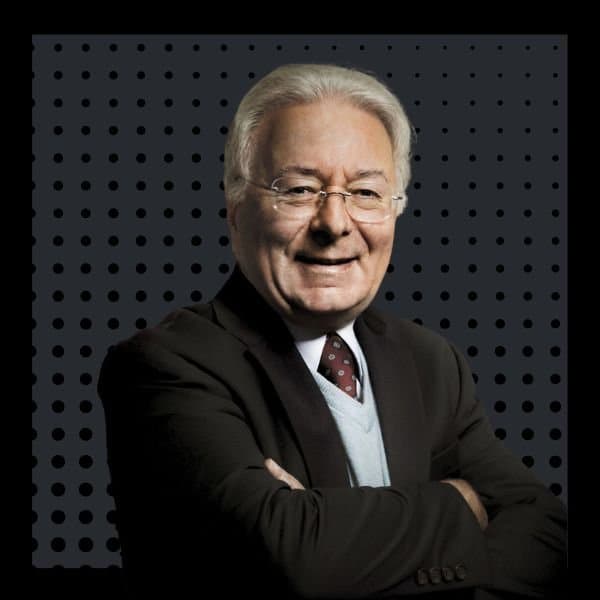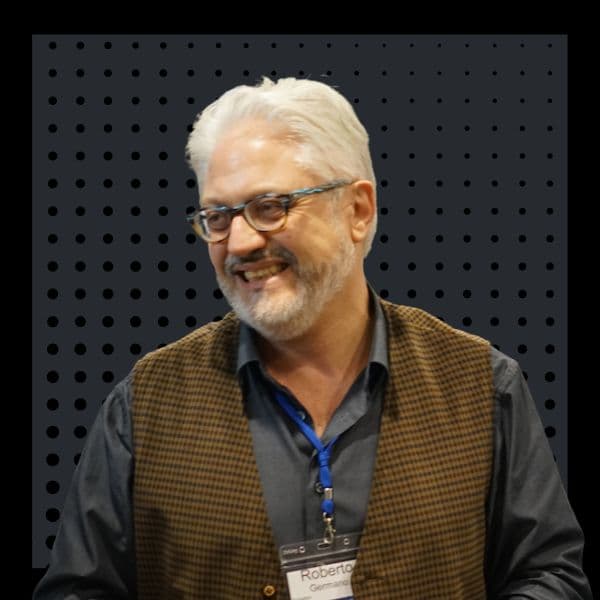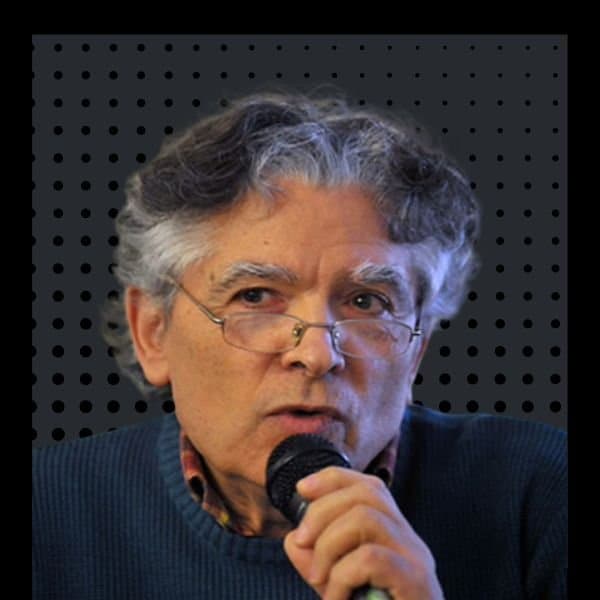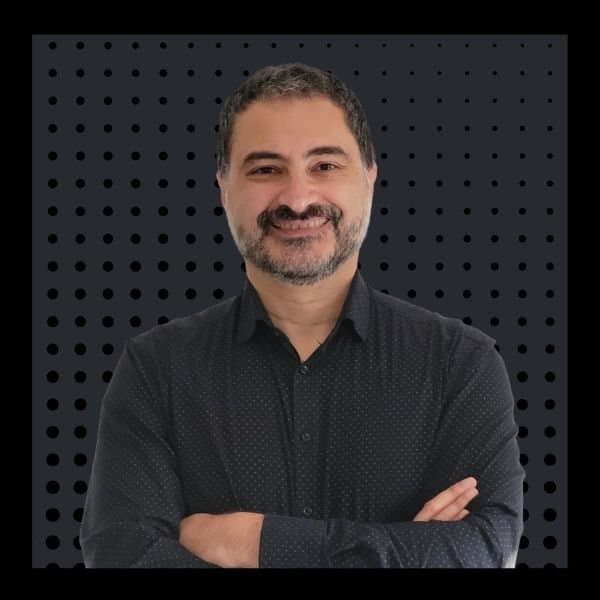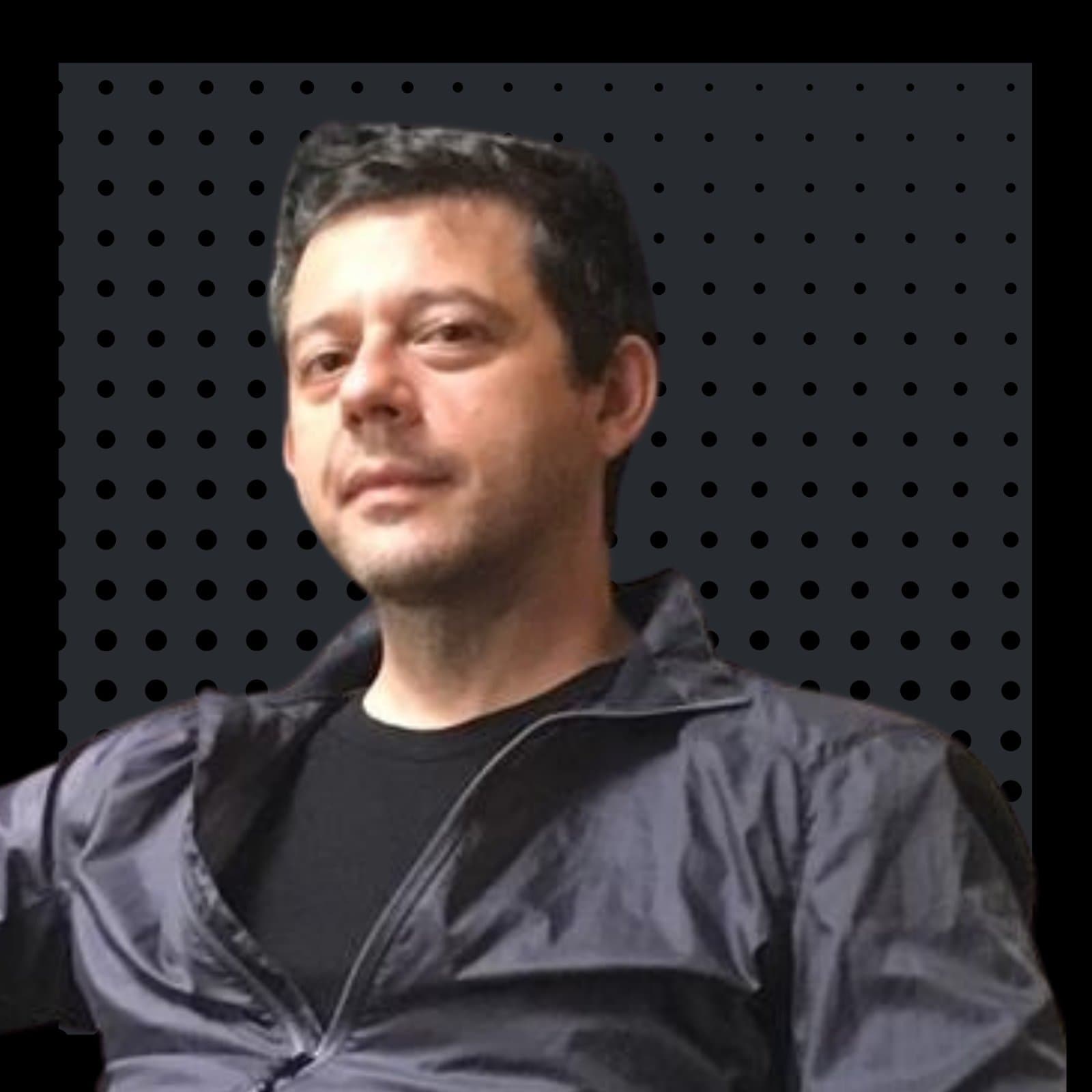
Paolo Silvestrini
Professore Ordinario di Fisica
Biography
Paolo Silvestrini is a distinguished Professore Ordinario di Fisica at the Università della Campania "Luigi Vanvitelli", where he has been a Full Professor since 2001. He is widely recognized as a pioneer in the study of macroscopic quantum phenomena, with a particular focus on quantum tunneling and coherence in superconducting devices. His foundational research significantly contributed to the first experimental demonstrations of quantum energy levels in Josephson systems, a critical step that paved the way for the development of superconducting qubits. Professor Silvestrini earned his degree in Physics with honors in 1984 from the Università degli Studi di Napoli “Federico II”. His early career included research at the Argonne National Laboratory in Illinois, USA, where he led a project on dissipation regimes in Josephson junctions, a study essential for observing macroscopic quantum effects. From 1986 to 2001, he directed a research group at the CNR Institute of Cybernetics, concentrating on fundamental quantum physics, macroscopic quantum tunneling, coherence, and quantum computation. An prolific author, Professor Silvestrini has published over 150 scientific articles in prestigious international journals and holds numerous patents. He co-edited the seminal volume "Quantum Computing and Quantum Bits in Mesoscopic Systems" (Springer) in 2004, alongside Nobel Laureate Anthony J. Leggett and Berardo Ruggiero, a work that fostered crucial dialogue between theoretical and experimental physicists on emerging quantum information. His appointment as Full Professor was notably supported by a personal endorsement from Professor Leggett, underscoring his international standing. Beyond his academic and research pursuits, Professor Silvestrini is the President of Associazione Eudora, an organization dedicated to bridging advanced quantum science with society. Through this association, he promotes a deeper understanding of the transformative potential of the Second Quantum Revolution, integrating science, art, and philosophy to explore the profound implications of quantum discoveries. He also chaired the international workshops "Macroscopic Quantum Coherence and Computing (MQC2)" from 1998 to 2006, which showcased some of the earliest prototypes of macroscopic qubits.