
Artificial intelligence is rapidly redefining key sectors, but its implementation raises urgent questions ranging from job security to privacy, environmental ethics, and transparency.
What happened
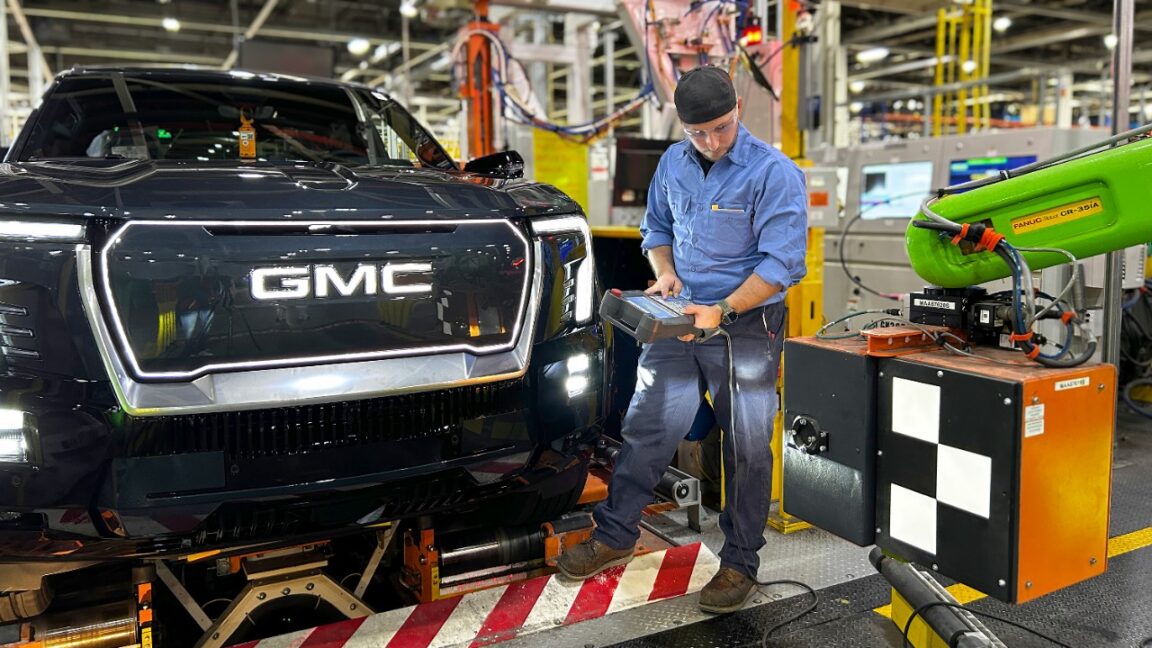
Recent developments highlight the complexity of this transition. General Motors installed advanced robots in its EV factory shortly after laying off 1,300 workers, a worrying sign for US unions who fear a future of "dark factories" dominated by automation Ars Technica AI. In parallel, Meta internally exposed sensitive data from its controversial employee monitoring program, which collected keystroke data to train AI models, raising serious concerns about workplace privacy and surveillance Wired AI.
In the real estate sector, generative AI is creating misleading rental listings, showing "impossible" homes with virtual furnishings that don't match reality, frustrating potential tenants and eroding trust The Verge AI. The environmental impact of AI is also under scrutiny: Nvidia announced a new data center design that, while operating at higher temperatures, promises to drastically reduce water and energy consumption, responding to growing criticism of AI infrastructure's ecological footprint The Verge AI. Finally, tensions between AI companies and governments continue, as demonstrated by Anthropic's recent dispute with the US government regarding its Mythos model, highlighting the need for clear AI governance and constructive dialogue between innovators and regulators MIT Technology Review AI.
Why it matters
These incidents are not isolated but represent a mosaic of the challenges Artificial intelligence poses to society. The replacement of human labor with robots, as in GM's case, raises fundamental questions about the future of work and the need for large-scale retraining programs. Employee surveillance and the exposure of sensitive data, as happened at Meta, undermine trust and individual privacy, creating potentially hostile work environments. The deceptive use of generative AI in real estate demonstrates how technology, if unregulated, can erode consumer trust and lead to unfair business practices. The environmental impact of data centers, although Nvidia is seeking solutions, remains a critical concern requiring a sustainable approach to innovation. The lack of a clear regulatory framework, as highlighted by the frictions between Anthropic and the government, slows responsible adoption and increases uncertainty.
The HDAI perspective
For Human Driven AI, these events underscore a fundamental principle: technological innovation must always be guided by ethical and human considerations. It's not just about developing more powerful AI, but about ensuring these technologies serve collective well-being, respect individual rights, and promote an equitable society. The transition to an AI-driven economy requires a proactive commitment to mitigating negative impacts on labor, protecting privacy, and ensuring transparency. It is imperative that the development and implementation of AI are anchored in principles of responsibility, fairness, and sustainability, promoting ethical AI that places humans at its core. This approach is crucial for building a future where AI is an ally, not a threat, to human progress.
What to watch
The debate on AI regulation, particularly with the implementation of the EU AI Act and global discussions on AI governance, will be crucial in defining the pathways for these technologies to develop responsibly. It will be essential to observe how companies respond to pressures for greater transparency and accountability, and how governments manage to balance innovation with citizen protection.