The debate over artificial intelligence control has intensified, with global leaders expressing concerns about technological dependency, companies re-evaluating return on investment, and social platforms experimenting with new forms of user agency.
What happened
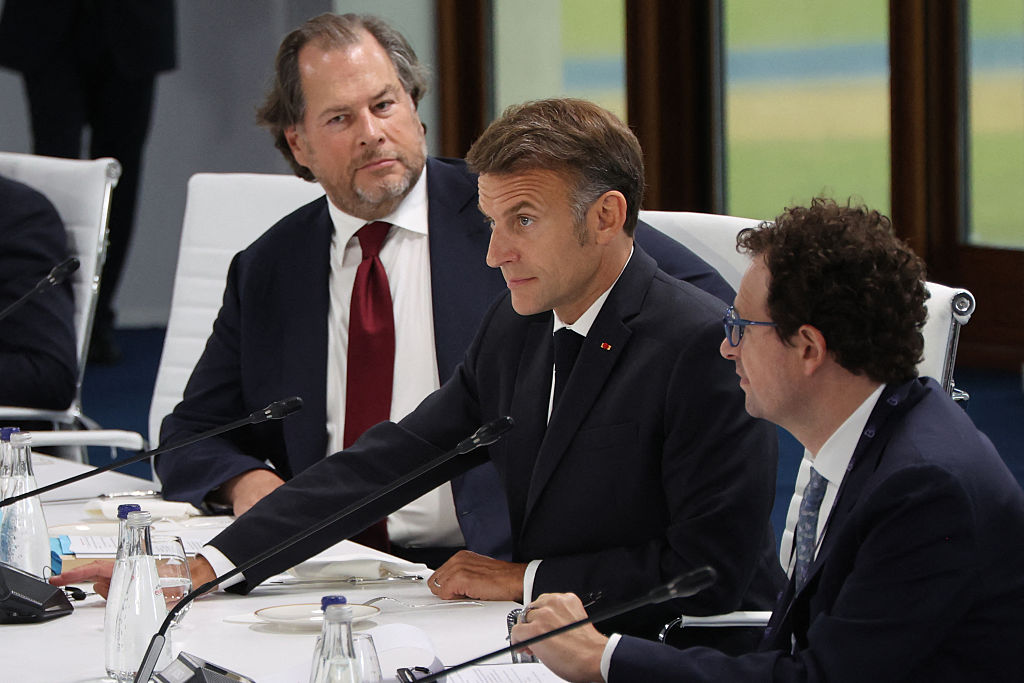
Recent discussions at the G7 highlighted growing unease among world leaders, such as French President Macron and Indian Prime Minister Modi, regarding reliance on AI developed in the United States. The fear is that America could, at any moment, cut off access to these crucial technologies, a concern made more tangible by a recent Anthropic blackout World leaders want American AI. They just don’t want America to be able to turn it off.. This scenario underscores the fragility of technological supply chains and the need for more robust digital sovereignty.
In parallel, the corporate world is facing a harsh economic reality. After a period of "tokenmaxxing," where companies incentivized massive AI usage, operational costs have become unsustainable for many. Tiffany Luck of NEA observed that enterprises are still trying to quantify AI's return on investment (ROI) NEA’s Tiffany Luck says enterprises are still figuring out their AI ROI. Examples like Uber, which reportedly blew through its annual AI budget in a few months, or companies that cut Claude licenses, demonstrate that initial enthusiasm is now colliding with the need for rigorous financial management.
In contrast, on the social media platforms front, an evolution towards greater user agency is underway. Platforms like Threads, Instagram, and TikTok are introducing tools that allow users to directly influence the algorithms powering their recommendation feeds Social media’s next evolution: user-controlled algorithms. This trend suggests a potential shift of power from developers to end-users, offering a glimmer of hope for more customizable and less opaque AI.
Why it matters
These interconnected developments reveal a fundamental tension in the AI landscape: the struggle for control. At the geopolitical level, reliance on a few AI providers raises issues of national security and strategic autonomy. A sudden disruption of access to key technologies could paralyze vital sectors, from defense to healthcare. For businesses, the difficulty in demonstrating a clear return on investment in AI is not just a financial matter but indicates a potential disconnect between AI capabilities and actual business needs, or a lack of mature implementation strategies. This directly impacts the workforce, with AI investments potentially not translating into tangible efficiencies or, worse, leading to unexpected budget cuts. The emergence of user-controlled algorithms in social media, on the other hand, is a significant step towards greater transparency and personalization, giving individuals a more active role in shaping their digital experiences and potentially mitigating issues of polarization and misinformation.
The HDAI perspective
The convergence of these challenges – technological sovereignty, economic sustainability, and user agency – underscores the urgency of an AI approach that is inherently human-centric. We cannot afford for AI power to be concentrated in the hands of a few, nor for its economic promises to remain unfulfilled due to short-sighted management. The philosophy of Human Driven AI promotes governance that balances innovation and responsibility, ensuring that AI serves society and not vice versa. It is imperative to develop a regulatory and technological framework that ensures digital resilience, algorithmic transparency, and the ability of companies to measure and maximize the real value of AI, always keeping people at the center. This means investing in local expertise, promoting open standards, and fostering a diverse and inclusive AI ecosystem, themes that will be central to the HDAI Summit 2026 in Pompeii.
What to watch
The upcoming actions by governments to define digital sovereignty policies, the evolution of AI ROI measurement standards in the corporate sector, and the expansion of user control features in social media will be key indicators of the direction artificial intelligence will take. It will be crucial to observe how the EU AI Act influences these dynamics, pushing towards greater transparency and control.