
Artificial intelligence is rapidly permeating every aspect of our existence, from the devices we wear to the digital agents operating in the background, bringing the need for an ethical and human-centric approach to the forefront of the debate.
What happened
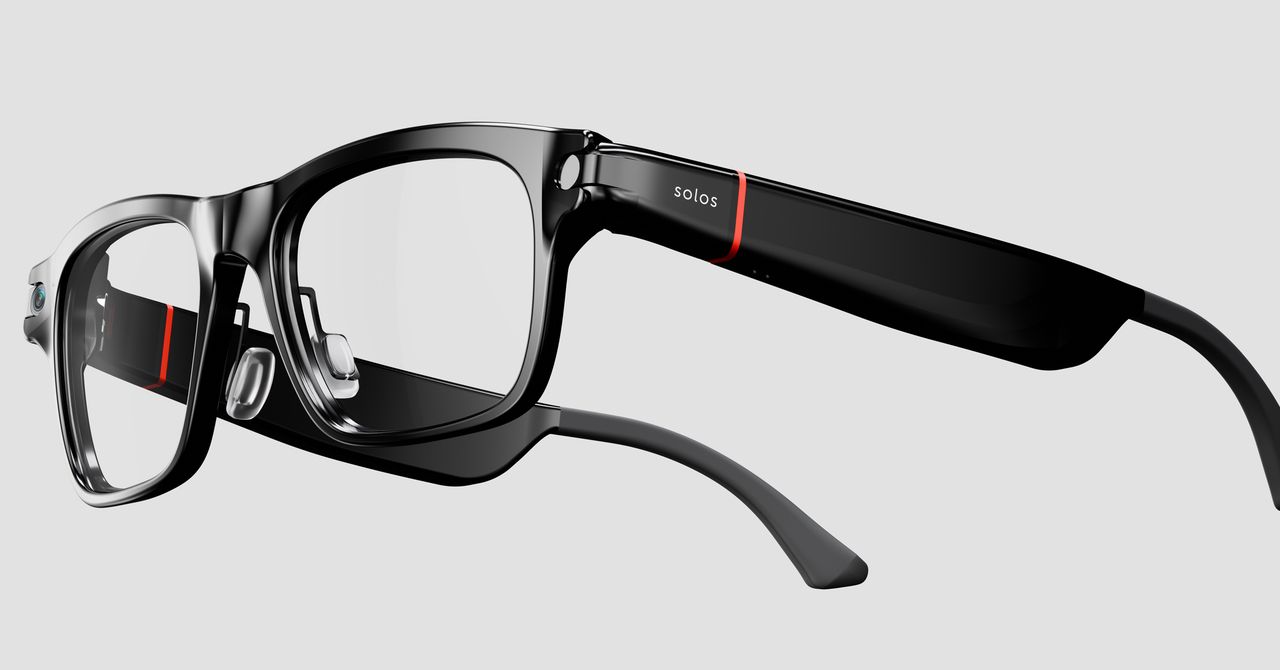
Recent developments in the AI landscape highlight this pervasive integration and the challenges it brings. Solos has launched new smart glasses equipped with a privacy shield for their cameras, an attempt to mitigate surveillance concerns These New Smart Glasses From Solos Come With a Privacy Shield for the Cameras. In parallel, Anthropic has extended its Claude Cowork agent to mobile devices, allowing it to continue tasks even after a laptop is closed, marking a step towards increasingly autonomous and omnipresent AI agents Shut Those Laptops! Anthropic Puts Its Claude Cowork Agent on Your Phone.
Regarding personal data management, Meta introduced a new policy allowing the use of public Instagram photos to train its generative AI models, unless users explicitly opt out of this option Meta Now Lets Anyone Use Your Instagram Photos in AI Images—Unless You Opt Out. This move has reignited the debate on informed consent and data ownership in the AI era. Meanwhile, the sector continues to evolve rapidly, as evidenced by the departure of Joshua Achiam, Chief Futurist at OpenAI, a key figure in AI safety research OpenAI’s Chief Futurist Is Leaving the Company.
In Europe, the Station F accelerator in Paris is strengthening its role as a hub for the most promising AI startups, aiming to support innovation and talent on the continent Station F ramps up as a launchpad for Europe’s hottest AI startups. This effort underscores Europe's desire to develop an AI ecosystem that is competitive yet also attentive to ethical values.
Why it matters
These developments have a direct impact on people's lives and society. The integration of AI into devices like smart glasses raises fundamental questions about individual privacy and surveillance, even with protective mechanisms. The proliferation of AI agents like Claude Cowork on phones means AI is no longer confined to a desktop but becomes a constant companion, influencing how we work and interact with the world. This requires deep reflection on how to maintain control and awareness of these agents' actions.
Meta's decision to use Instagram photos for generative AI, with an opt-out mechanism, highlights a worrying trend: the collection and use of personal data for AI training often occurs with implicit or difficult-to-revoke consent. This erodes user trust and raises questions about digital ownership and individual rights in the AI era. The European response, with initiatives like Station F, is crucial for balancing innovation with citizen protection, promoting an AI development model that is sustainable and responsible.
The HDAI perspective
The rapid and ubiquitous integration of AI into our daily lives, from wearable devices to autonomous agents and the use of personal data, makes the adoption of Human Driven AI principles more urgent than ever. It's not just about developing advanced technologies, but about ensuring they are designed, implemented, and governed in a way that serves humanity, respecting dignity, privacy, and individual autonomy. Meta's choice of an opt-out for image use is a clear example of how companies must take greater responsibility, shifting the burden of consent from the user to the provider.
The Station F initiative in Europe demonstrates a commitment to Italian AI innovation and European AI innovation that aligns with these values. It is essential that technological development is accompanied by a robust ethical and regulatory framework, such as what will be discussed at the HDAI Summit 2026 in Pompeii. Only then can we build a future where AI is a driver of progress and not a source of new inequalities or risks to fundamental rights.
What to watch
In the coming months, it will be crucial to observe how consumers react to Meta's policies and whether there will be increased pressure for more explicit consent models. It will also be interesting to monitor the evolution of mobile AI agents and the implications for security and privacy. Finally, the expansion of hubs like Station F and the impact of the EU AI Act will be key indicators of Europe's ability to forge a distinctive path in responsible AI innovation.