Recent events in the artificial intelligence landscape have cast a spotlight on the delicate interplay between technological innovation, national security, and ethical implications, with advanced models being withdrawn by Anthropic and fully autonomous combat drones deployed in Ukraine.
What happened
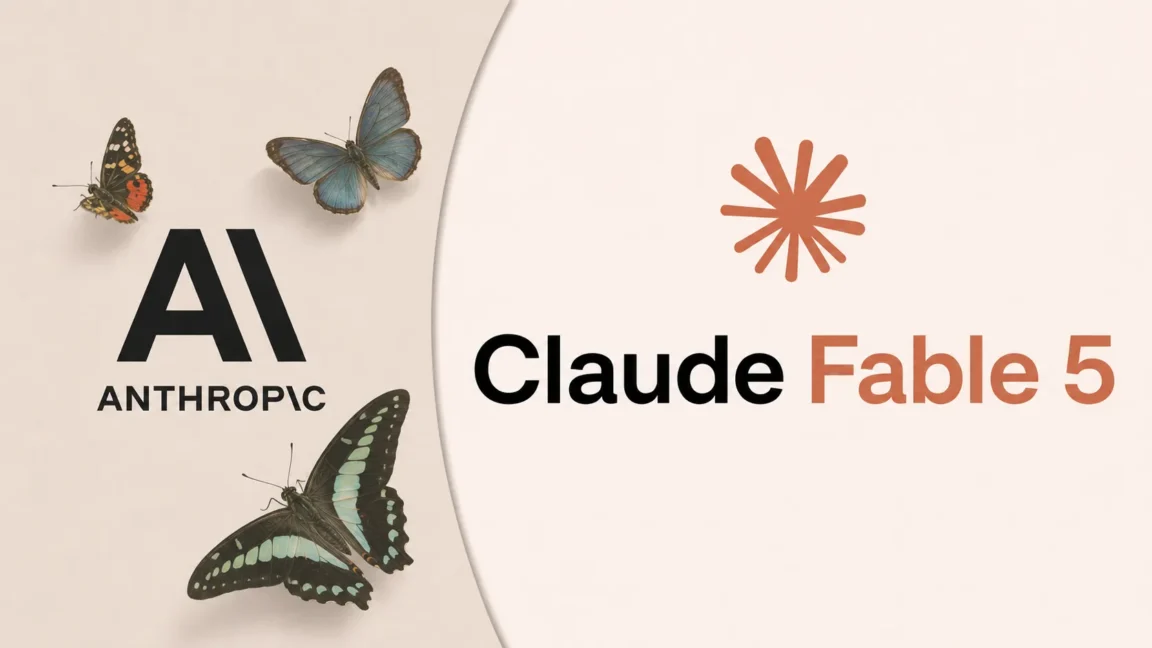
In mid-June 2026, AI research company Anthropic announced the shutdown of its Fable and Mythos models, following a directive from the Trump administration. The decision, prompted by the U.S. Commerce Department, was driven by national security concerns. Specifically, there was apprehension that a potential "jailbreak" of the Fable 5 model could pose a significant threat Anthropic shuts down Fable, Mythos models following Trump admin directive. This incident underscores increasing government vigilance over powerful AI models, especially those with advanced language capabilities that could be exploited for malicious purposes.
Concurrently, in a conflict zone, Ukraine conducted a test involving fully autonomous drones to neutralize Russian soldiers. While the use of such systems was described as a one-time event, the news highlights a troubling trend: the integration of AI modules onto drones and robots for military operations Ukraine's one-time test used fully autonomous drones to kill Russian soldiers. This raises urgent questions about the ethics of automated warfare and accountability when lethal decisions are made by machines. Meanwhile, even tech giants like Meta are facing internal challenges in managing their AI strategy, with sources describing a chaotic environment and significant employee dissatisfaction regarding Mark Zuckerberg's initiatives ‘Tell Him He’s a Piece of Shit’: Meta’s New AI Unit Is a Total Mess, Meta Employees Absolutely Hate Mark Zuckerberg’s Plan for a Companywide AI Hackathon.
Why it matters
These developments are not isolated incidents but symptoms of a broader tension defining the current AI era. Anthropic's model withdrawal demonstrates how national security has become a paramount priority for governments, even at the cost of hindering innovation. The ability of a language model to be "unlocked" or manipulated ("jailbroken") to generate harmful content or disinformation is a real threat demanding swift and decisive responses. This scenario highlights the dual-use nature of AI: a technology with immense beneficial potential, but also significant risks if misused.
The deployment of lethal fully autonomous drones in Ukraine, on the other hand, pushes us towards a future where life-or-death decisions could be delegated to machines. This raises profound ethical and moral questions, undermining fundamental principles of international humanitarian law and human dignity in conflict. The lack of a clear international regulatory framework for Lethal Autonomous Weapons Systems (LAWS) makes the situation even more precarious. Finally, Meta's internal struggles underscore that even leading companies struggle to integrate AI coherently and effectively, demonstrating that AI adoption is not just a technological issue, but also an organizational and cultural one.
The HDAI perspective
For Human Driven AI, these events reinforce the conviction that AI governance and ethical AI are not optional, but fundamental pillars for a sustainable future. The speed at which AI evolves demands constant and proactive reflection on its impacts. We cannot allow the race for innovation to outpace our ability to establish clear safeguards and accountability. Anthropic's decision, though drastic, highlights the necessity of a prudent approach where risks to society and security are assessed with the utmost seriousness.
The use of lethal autonomous weapons is a boundary that humanity must approach with extreme caution. It is imperative that international discussions intensify to establish clear norms and limits, ensuring that ultimate control over lethal decisions always remains in human hands. This is a central theme we will address at the HDAI Summit 2026 in Pompeii, where the goal is precisely to promote artificial intelligence that serves humanity, not threatens it. AI governance and ethical AI are not obstacles to innovation, but its foundations, ensuring that technological progress aligns with human values and collective security.
What to watch
It will be crucial to monitor how governments, particularly the U.S., continue to balance the promotion of AI innovation with national security needs. The evolution of the debate on lethal autonomous weapons and the possibility of international agreements will be key indicators. Finally, the approach of companies like Meta in addressing internal challenges to AI integration will offer important lessons on the future of work and AI adoption in business.