The landscape of artificial intelligence continues to reveal a dual nature: on one hand, major tech companies are reorganizing their workforce to fund massive AI investments, while on the other, scientific research is producing innovations that promise to revolutionize medicine.
What happened
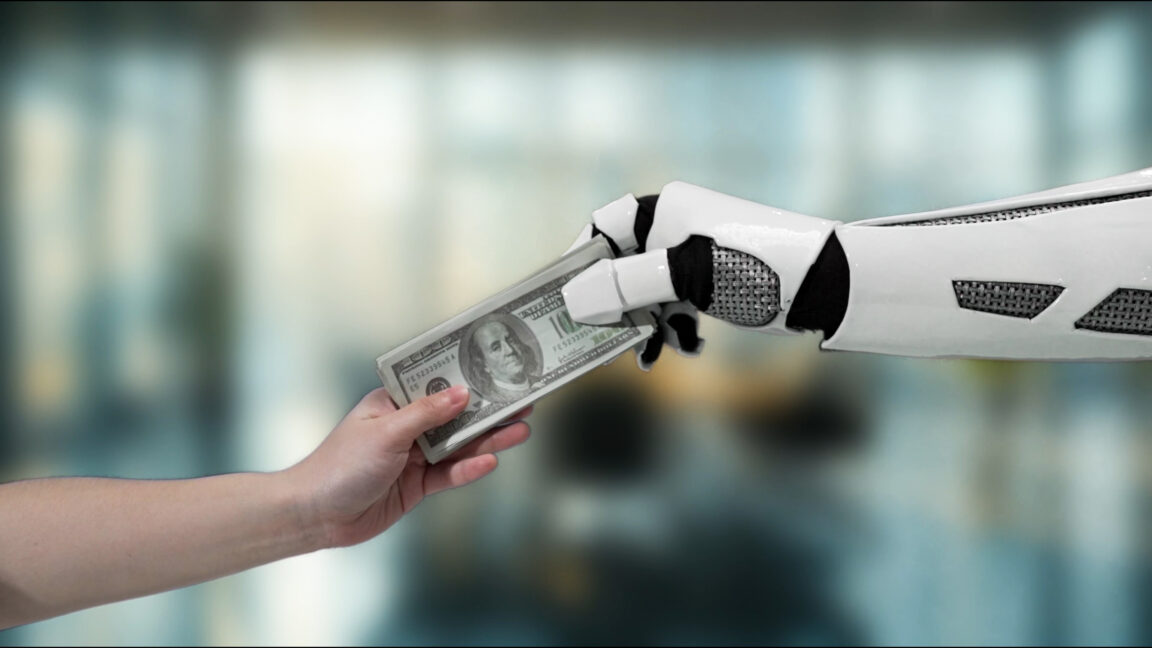
Oracle recently announced a significant internal reorganization, resulting in approximately 21,000 layoffs globally. This strategic move was largely driven by the need to redirect billions of dollars towards building artificial intelligence infrastructure, particularly for its cloud data centers Oracle’s 21,000 layoffs help drive its debt-fueled AI investments. The company is heavily investing to compete in the AI sector, which demands enormous computational and data storage capacities. This scenario highlights a growing trend in the tech industry, where AI adoption is not just a growth opportunity but also a catalyst for profound structural and employment transformations.
Concurrently, the MIT Technology Review has highlighted extraordinary advancements in AI applied to medicine. A team of MIT researchers is developing a portable breath test, named PlasmoSniff, capable of diagnosing pneumonia and other lung conditions in minutes by detecting specific biomarkers A breath test could diagnose pneumonia in minutes. This chip-scale sensor system could greatly simplify early diagnosis, especially in resource-limited settings. Furthermore, another innovation involves the development of engineered "mini-livers" that could be injected as an alternative to organ transplantation for thousands of patients with chronic liver disease Engineered “mini livers” could be injected as an alternative to transplantation. Led by Professor Sangeeta Bhatia, this technology offers concrete hope for addressing organ shortages and improving quality of life.
Why it matters
These developments, though distinct, converge in demonstrating AI's transformative impact. On one hand, Oracle's reorganization raises crucial questions about the AI future of work and the social responsibility of corporations. Mass layoffs, justified by AI investments, underscore the need for reskilling and support policies for affected workers, but also the challenge for companies to balance innovation with employment stability. AI adoption, while promising efficiency and new opportunities, can generate uncertainty and necessitate a deep revision of required skills in the job market. This dynamic is particularly relevant for Italy AI summit discussions, where the debate on AI's impact on employment is increasingly heated and requires a proactive approach.
On the other hand, the MIT medical innovations demonstrate AI's invaluable potential for the common good. Rapid pneumonia diagnosis and an alternative to liver transplants are not merely technological advancements but concrete solutions to global health problems, capable of saving lives and improving public health. These examples reinforce the idea that AI, when properly directed, can generate a direct and measurable positive impact on people's lives. The ability to detect diseases non-invasively and offer innovative therapies highlights how AI, if well-guided, can lead to significant societal benefits.
The HDAI perspective
The coexistence of these contrasting scenarios reinforces the mission of Human Driven AI: to promote ethical and responsible artificial intelligence. We cannot ignore the human cost of technological innovation, nor underestimate its life-saving potential. It is crucial that the development and implementation of AI are guided by AI governance principles that place humans at the center, mitigating risks and maximizing benefits for all. This means investing not only in AI infrastructure but also in professional reskilling programs, social safety nets, and regulatory frameworks such as the EU AI Act that protect the rights of workers and citizens.
The lesson from Oracle and MIT is clear: AI is not inherently good or bad, but its impact depends on the human choices that guide it. Ensuring AI serves humanity requires ethical leadership and a long-term vision that balances technological progress with social well-being. Events like the HDAI Summit 2026 in Pompeii will be crucial for discussing these challenges and defining concrete strategies for a future where AI is a driver of equitable and sustainable progress.
What to watch
It will be interesting to observe how large tech companies, including Oracle, will balance their massive AI investments with social responsibilities related to employment impact. In parallel, progress in medical AI applications, such as the breath test and mini-livers, will continue to evolve, promising further revolutions in disease diagnosis and treatment. Collaboration among academic research, industry, and policymakers will be essential to ensure these innovations are accessible and benefit society as a whole.