
Between Promise and Reality: AI Confronts Human Experience
The recent wave of artificial intelligence launches and discussions reveals a growing divergence between technological ambitions and concrete human experience, raising questions about its real utility and acceptance.
What happened
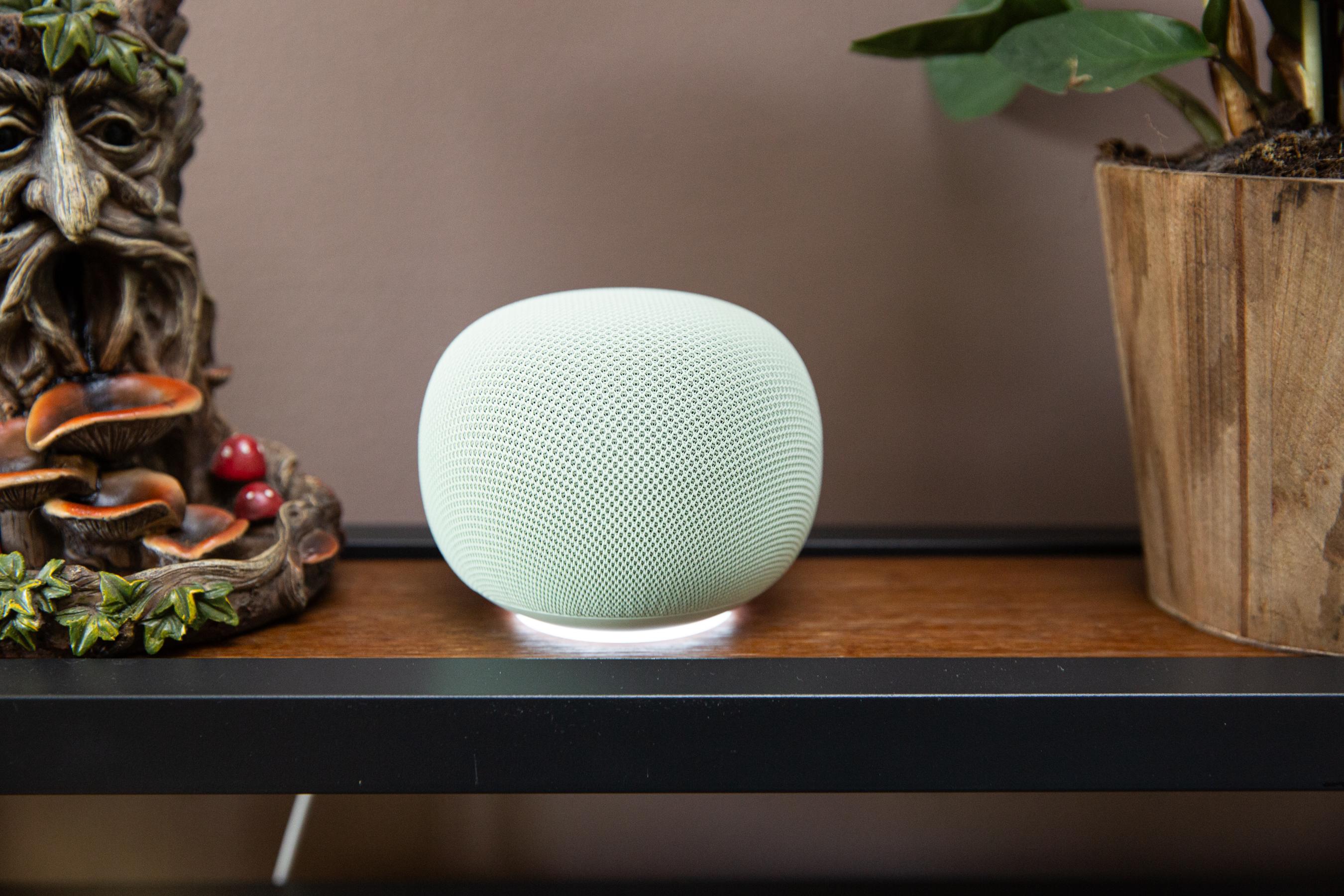
In July 2026, the artificial intelligence landscape presented a mixed picture. On one hand, tech giants continue to push AI into new products. Google, for instance, introduced its Gemini assistant into new smart speakers, but a review from The Verge AI highlights that, despite excellent hardware, Gemini isn't yet ready to offer the "second act" smart devices seek, often limiting itself to basic functions. Simultaneously, the enterprise sector sees the emergence of new AI applications, such as Koah, an AI-built ad network platform Hacker News AI filtered, and Orgonaut, a tool that simulates the impact of AI agents on engineering organizations Hacker News AI filtered.
On the other hand, growing public skepticism and increased attention to data governance are emerging. Cloudflare announced new AI traffic options, allowing customers to control how artificial intelligence models interact with their content, ensuring greater independence and data sovereignty Cloudflare Blog. An even stronger signal comes from San Francisco, an epicenter of technological innovation, where many young residents express strong disdain for AI, calling it "a dumb friend" and criticizing its lack of practical utility in everyday life SFGate. This negative perception highlights a disconnect between AI's promises and its actual integration into human experience.
Why it matters
This dichotomy between industry enthusiasm and cold user reception has significant implications. The perceived lack of utility in advanced AI smart speakers not only erodes consumer trust but risks creating "AI fatigue," where people become indifferent or even hostile to new technologies heralded as revolutionary. For businesses, the adoption of tools like those from Orgonaut and Koah indicates a profound transformation of work processes and business models, with potential significant reorganizations and the need for workforce reskilling.
Cloudflare's move is crucial for AI governance and data sovereignty, central themes in the ethical artificial intelligence debate. Ensuring users and content owners control how their data is used by AI models is fundamental to building a fairer and more transparent digital ecosystem. Finally, the "disdain" expressed in San Francisco is a wake-up call: if AI fails to demonstrate tangible value and solve real problems, its mass acceptance will be hindered, regardless of investment and technological innovation.
The HDAI perspective
Recent dynamics highlight that for artificial intelligence to be truly transformative, it must move beyond the hype phase and confront the reality of human needs. It's not a problem of AI's technical capabilities, but of alignment between its applications and concrete benefits for people. The philosophy of Human Driven AI advocates that development must be intrinsically ethical, transparent, and user-centric. We must ask not only "what can AI do?", but more importantly, "how can AI genuinely improve human life and processes responsibly?". This means designing AI that is intuitive, reliable, and respects individual autonomy, avoiding becoming "dumb friends" or invasive tools. This approach will be central to discussions at the HDAI Summit 2026.
What to watch
It will be crucial to observe how tech companies respond to this growing disillusionment. Will we see greater investment in ethical AI and responsible AI, with a stronger focus on user experience and solving real-world problems, rather than merely demonstrating technical capabilities? Regulation, such as the EU AI Act, will play a key role in defining boundaries and responsibilities, pushing towards a more conscious and less rushed adoption of artificial intelligence.