
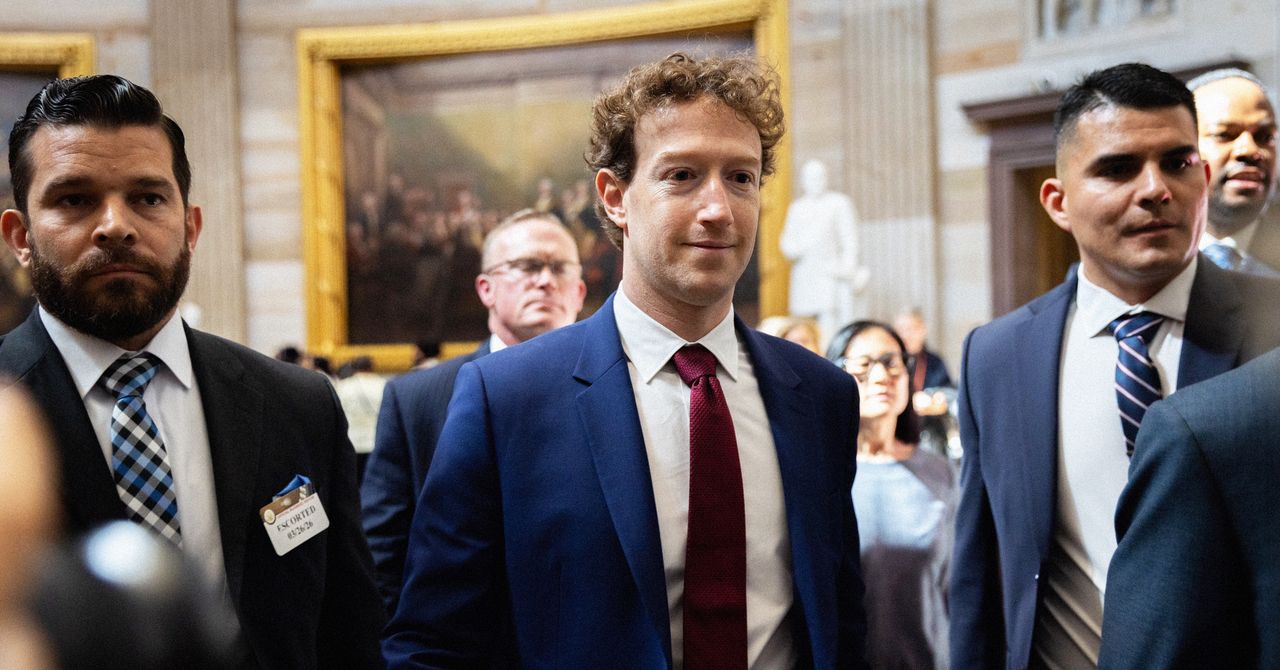
The integration of artificial intelligence into daily life and industry is accelerating, bringing with it new opportunities but also complex ethical and governance challenges. A recent scandal revealed that Meta engaged hundreds of contractors to impersonate teenagers and test rival chatbots' responses on sensitive topics such as suicide, sex, and drugs, raising serious questions about responsibility and ethics in AI development.
What happened
The most alarming news concerns AI model safety testing practices. As reported by WIRED (https://www.wired.com/story/meta-contractors-pretending-to-be-teens-chatbot-testing/), hundreds of Meta contractors posed as teenagers to subject Gemini and ChatGPT to high-risk prompts, including references to self-harm and abuse. This operation, while aimed at identifying vulnerabilities, has sparked intense debate about "red teaming" methodologies and the ethical boundaries of experimentation.
Meanwhile, AI continues to expand its presence across various sectors. Netflix announced the use of an AI-generated voice, replicating that of Gene Wilder, for its new reality show "Wonka's The Golden Ticket," set to premiere on September 23rd. This application, highlighted by The Verge, reignites discussion on the ethical use of individuals' images and voices, especially those deceased, and on copyright in the era of generative AI.
In the realm of information and productivity, AI is also evolving. Google NotebookLM is introducing a new feature that allows users to generate TikTok-style video clips from notes and research, offering quick summaries in a vertical 60-second format. The Verge noted how this innovation, available to Google AI Ultra and Pro subscribers, could transform how we consume information, but also raises questions about the depth and accuracy of synthetic content.
Concurrently, the digital publishing sector is reacting to the growing wave of AI-generated content. OverDrive, the company behind the e-book lending app Libby, is developing filters to distinguish and potentially exclude AI-created content, as anticipated by CEO Marc DeBevoise in an article from The Verge. This reflects the need to maintain quality and authenticity in the content ecosystem. Finally, after weeks of negotiations with the Trump administration, Anthropic has been greenlit to bring its Claude Fable 5 model back online globally, as reported by The Verge, signaling increasing governmental influence over the availability and operation of advanced AI models.
Why it matters
These developments converge on a crucial point: the urgency of robust governance and solid ethical principles in the AI era. Meta's conduct in testing chatbots not only erodes public trust but also exposes vulnerable users, such as teenagers, to significant risks. The idea of deceiving AI systems by simulating minor profiles to explore ethical vulnerabilities, while potentially having security intentions, is deeply problematic when it translates into manipulating real people or creating synthetic data with such delicate implications. This underscores the need for responsible AI protocols that go beyond mere technical functionality, embracing a human-centric approach to safety.
The use of AI voices for commercial purposes, as in Netflix's case, raises complex questions about post-mortem image and voice rights, intellectual property, and the authenticity of human experience in entertainment. While it offers new creative possibilities, it also requires a clear regulatory framework to prevent abuse and ensure respect for cultural and individual heritage. Google NotebookLM's ability to generate quick video summaries is an example of how AI can optimize information consumption, but at the same time, it poses the challenge of ensuring that synthesis does not sacrifice completeness or introduce bias, affecting public understanding. Libby's move to filter AI content highlights a growing awareness of the need for transparency and tools to distinguish between human and algorithmic creation, which is fundamental for media trust.
The HDAI perspective
The current AI landscape, characterized by rapid innovations and widespread adoption, makes the need for a human-centered approach more evident than ever. Events like Meta's contractor testing or the use of AI voices without clear ethical consent demonstrate that technology alone is not enough; governance, responsibility, and a clear vision of ethical AI are required. The philosophy of Human Driven AI is founded on precisely these pillars: ensuring that AI development and implementation are guided by human values, transparency, and the protection of individuals. It is imperative that companies invest not only in technical capabilities but also in rigorous ethical frameworks and independent audit processes that guarantee the safety and fairness of AI systems. Topics like AI governance and social impact will be central to discussions at the HDAI Summit 2026 in Pompeii, where experts and leaders will convene to define an AI future that truly serves humanity.
What to watch
In the coming months, it will be crucial to observe how regulatory authorities respond to these new ethical challenges, especially in light of the implementation of the EU AI Act. It will be important to monitor the evolution of corporate policies regarding safety testing and the emergence of industry standards for the ethical use of generative AI in the creative sector. The ability to distinguish AI content from human content will become a key skill for both consumers and platforms.