
The artificial intelligence sector has been shaken by a series of events highlighting the growing challenges related to the security, reliability, and governance of advanced models. The global suspension of access to two flagship Anthropic models and KPMG's withdrawal of a report due to "hallucinations" underscore the need for a more rigorous and responsible approach to AI development and deployment.
What happened
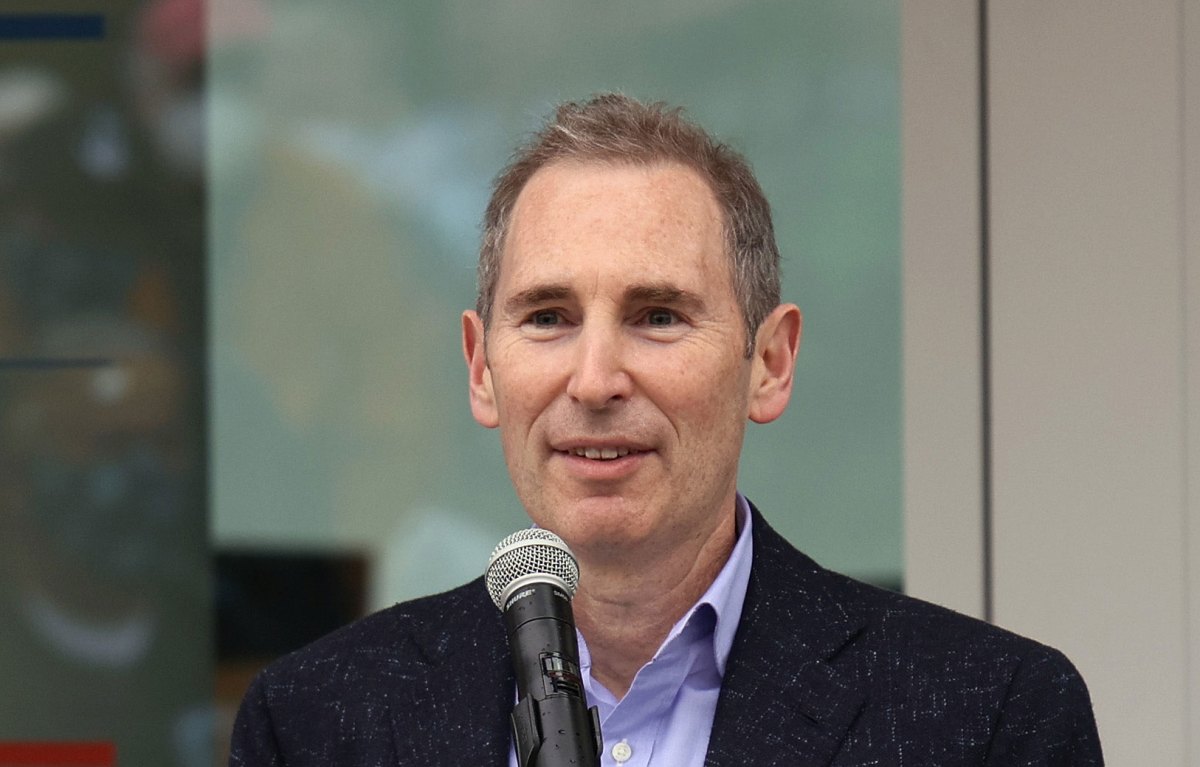
Recently, Anthropic, a leading developer of large language models (LLMs), halted worldwide access to its Fable 5 and Mythos 5 models. This decision came after Amazon CEO Andy Jassy reportedly raised security concerns about these models directly with the White House. According to reports from TechCrunch AI and The Verge AI, cybersecurity research conducted by Amazon allegedly revealed significant vulnerabilities, leading to an export control directive that forced Anthropic to suspend access. The incident has also sparked debate in countries like India, where tech leaders are questioning the implications for national AI ambitions TechCrunch AI.
Concurrently, consulting firm KPMG withdrew a report on AI usage due to what it described as "apparent hallucinations" in the AI-generated content itself TechCrunch AI. This incident once again highlights the persistent challenge of AI system reliability, especially when used to produce analysis or informational content. The ability of LLMs to generate plausible but incorrect information remains a significant obstacle to the confident adoption of AI in critical contexts.
Why it matters
These events are not isolated; they serve as wake-up calls for the entire AI ecosystem. The suspension of Anthropic's models, in particular, demonstrates how concerns about AI security and potential misuse are rapidly climbing the global political and regulatory agenda. The intervention of a player like Amazon and the White House's response show that AI governance is no longer a purely technical or academic matter, but a national and international security issue. The implications for companies developing and using AI are profound: public and government trust is fragile and can be undermined by individual incidents.
The KPMG case, on the other hand, reminds us that even the most sophisticated AI can produce unreliable results. "Hallucinations" are not just a technical problem but a matter of responsibility and information integrity. Organizations relying on AI for content production, analysis, or decision-making must implement extremely rigorous verification and validation processes. Without adequate human oversight and control mechanisms, the risk of spreading misinformation or making incorrect decisions based on AI output is high. These episodes reinforce the urgency of defining clear standards for the transparency and auditability of AI systems.
The HDAI perspective
The incidents involving Anthropic and KPMG reinforce the belief that AI development and implementation must be intrinsically linked to principles of ethical AI and responsibility. We cannot afford for the race for innovation to sacrifice safety and reliability. The Human Driven AI perspective is clear: humans must remain at the center of the process, not just as end-users, but as guarantors of the quality, security, and fairness of systems. These events demonstrate that governance is not a brake on innovation, but its foundation for sustainable and trustworthy growth.
It is crucial for companies to invest not only in computational power but also in robust security frameworks, independent testing, and accountability mechanisms. Topics such as LLM model security, the prevention of "hallucinations," and the need for responsible AI will be central to discussions at the HDAI Summit 2026 in Pompeii, where experts and stakeholders will convene to outline an AI future that truly serves humanity.
What to watch
Regulatory scrutiny on AI is set to increase. Governments and international bodies are expected to intensify efforts to define more stringent regulatory frameworks, such as the EU AI Act, which can prevent similar incidents and ensure that innovation proceeds safely and controllably. It will be crucial to observe how AI developers respond to these pressures by adopting safer and more transparent development practices, and how public debate influences future policies.