
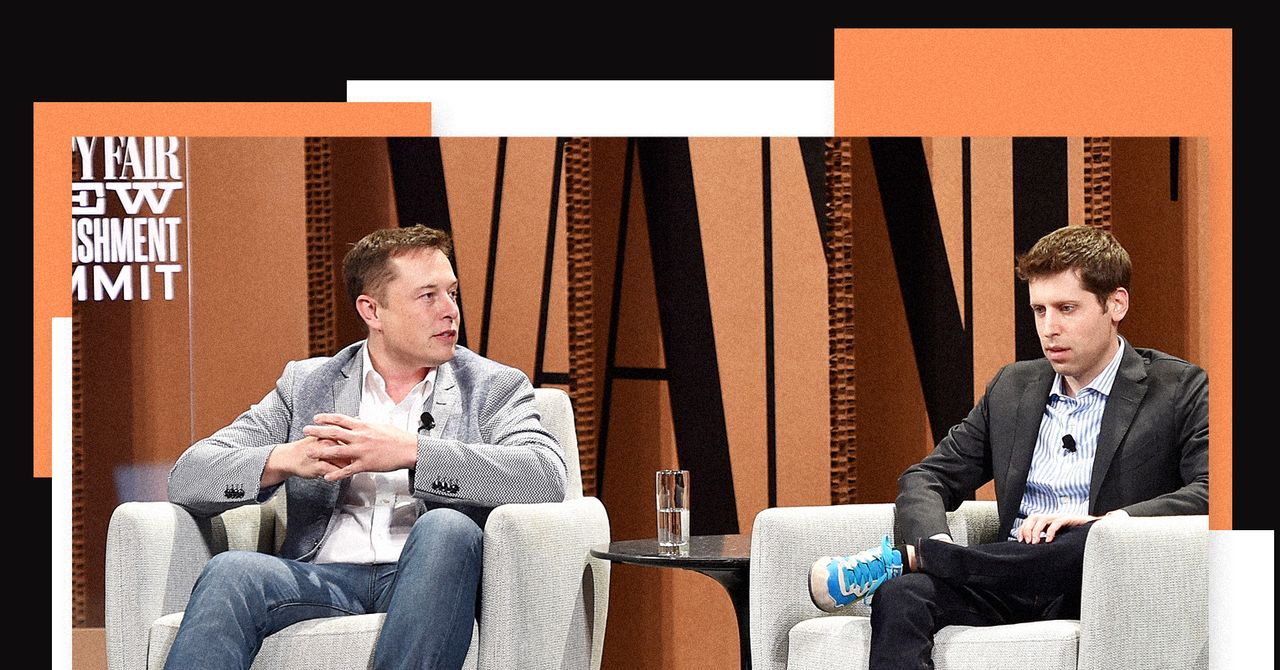
The artificial intelligence landscape is being reshaped by a series of complex dynamics featuring Elon Musk, Sam Altman, and the company Anthropic, outlining a tapestry of historical rivalries and unexpected collaborations that redefine the balance of power in the sector.
What happened
Recent revelations from a trial have brought to light an attempt by Elon Musk in 2017 to recruit Sam Altman, then president of Y Combinator and future CEO of OpenAI, to lead a new artificial intelligence lab within Tesla. Messages between Shivon Zilis, a Neuralink and xAI executive, and other Tesla executives, indicate plans for an AI initiative that could have been entrusted to Altman or Demis Hassabis, co-founder of DeepMind Elon Musk’s Last-Ditch Effort to Control OpenAI: Recruit Sam Altman to Tesla. This episode underscores the long and sometimes tense relationship between Musk and Altman, culminating in Musk's co-founding of OpenAI, before his departure and subsequent criticism of the company's direction.
In a surprising turn, Anthropic, one of OpenAI's main competitors in the field of large language models, has signed a deal with SpaceX, another of Musk's companies, to use the computing resources of his AI division, xAI Anthropic Gets in Bed With SpaceX as the AI Race Turns Weird. This collaboration, which sees an OpenAI rival relying on infrastructure linked to Musk, highlights the growing importance of access to immense computational capabilities. The need to "operationalize AI for scale and sovereignty" is a crucial theme, with companies seeking to control their own data and infrastructure to tailor AI for their needs, balancing ownership with the safe flow of high-quality data Operationalizing AI for Scale and Sovereignty.
Why it matters
These dynamics are not mere anecdotes from the tech world but reflect the high stakes in the race for artificial intelligence. The concentration of computational resources and talent in the hands of a few powerful actors raises fundamental questions about AI governance, competition, and innovation. Privileged access to advanced computing infrastructure can determine who can develop the most powerful models, influencing the direction of research and future applications. This scenario can limit the diversity of approaches and foster a technological oligopoly, with potential repercussions on the ability of small and medium-sized enterprises or research institutions to compete and innovate.
Furthermore, unexpected alliances, such as that between Anthropic and xAI, demonstrate the fluidity and pragmatic need for resources in a capital-intensive sector. The pursuit of data and infrastructure sovereignty, as highlighted by MIT Technology Review, is a key factor driving companies to forge strategic agreements, even with former rivals or controversial figures. This directly impacts the ability of nations to develop their own sovereign and competitive AI, a topic that will be central to the HDAI Summit 2026.
The HDAI perspective
From a Human Driven AI perspective, these events underscore the urgency of a broader and more inclusive debate on the direction and control of artificial intelligence. The race for resources and the consolidation of power among a few actors risk marginalizing ethical and social considerations in favor of mere technological progress and competitive advantage. It is essential that AI development is not driven solely by market logic or individual ambitions but is anchored in principles of transparency, accountability, and collective benefit.
The philosophy of Human Driven AI promotes an approach where humans are at the center of AI design, implementation, and governance. This means ensuring that key decisions about AI architecture and use are made with a clear understanding of social, economic, and ethical impacts. It's not just a technical problem; it's a problem of governance and values that must guide innovation. Only then can we ensure that AI serves humanity as a whole, rather than the interests of a few.
What to watch
The future will likely see an intensification of these dynamics. It will be crucial to observe how regulatory authorities, particularly the EU AI Act, will respond to the growing concentration of power and resources in the AI sector. The future moves of players like OpenAI, Anthropic, and Elon Musk's companies will continue to shape the landscape, with potential new alliances or ruptures influencing not only the market but also the ethical and social direction of artificial intelligence.