This week marked a significant acceleration in artificial intelligence investments, with staggering figures outlining a future where AI integrates ever more deeply into the physical world, bringing with it new opportunities and ethical challenges.
What happened
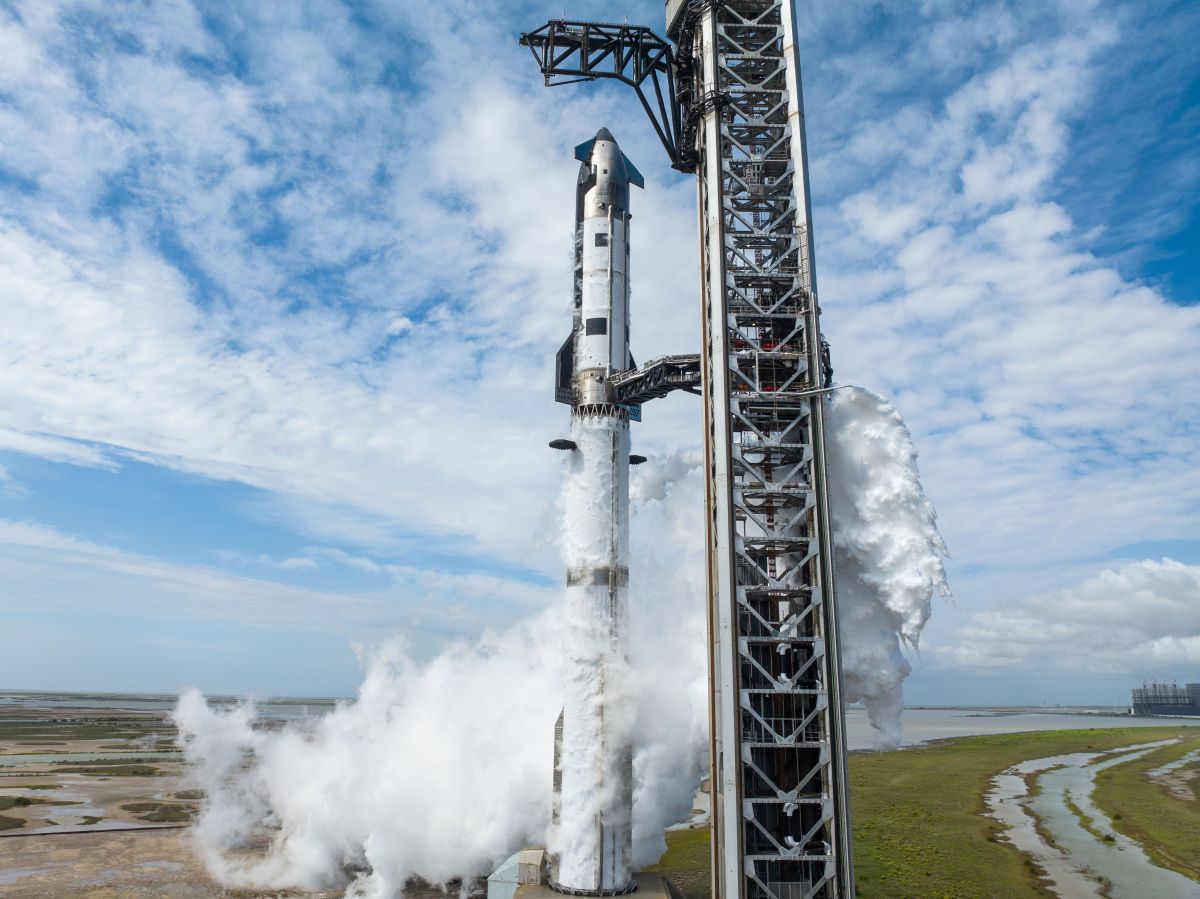
The market witnessed a surge of capital into leading AI companies. SpaceX officially priced its shares at $135, executing the largest IPO in history. However, as reported by TechCrunch AI, concerns persist for lower-tier SPV (Special Purpose Vehicle) investors, who may face hidden fees, lengthy payout delays, and the risk of outright fraud, not knowing their true holdings until post-IPO lock-up periods lift.
Concurrently, Prometheus, Jeff Bezos's artificial intelligence startup, raised $12 billion in a new funding round, reaching a $41 billion valuation. Prometheus's goal is ambitious: to build an "artificial general engineer" for the physical world, capable of automating heavy engineering and drug design, as detailed by TechCrunch AI. This development promises to revolutionize complex industrial sectors but also raises questions about the long-term impact on labor and society.
No less significant is the $85 million investment in Theker, a company developing non-specialized factory robots designed to be reconfigurable and adaptable to multiple tasks, unlike fixed-form humanoid robots TechCrunch AI. This approach to reconfigurable robotics could accelerate flexible automation across various industries. Finally, Avataar AI secured funding for its distilled video model, offering cheaper ($0.005 for every second of generation), faster, and culturally aware video creation, targeting India's large-scale market TechCrunch AI.
Why it matters
These developments are not just financial milestones but signals of a profound transformation. The immense influx of capital into AI, particularly into applications that directly interact with the physical world, indicates a phase of unprecedented technological maturation and economic expansion. The promise of an "artificial general engineer" from Prometheus or Theker's reconfigurable robots foreshadows a future where automation is no longer limited to repetitive tasks but extends to complex problem-solving, design, and advanced manufacturing.
However, these innovations raise critical questions. Concerns about transparency and investor protection in the SpaceX IPO case highlight how rapid growth can sometimes outpace governance and safeguard mechanisms. The introduction of such powerful AI into the physical sector necessitates reflection on the impact on human labor, safety, and the ethics of decisions made by autonomous systems. Avataar AI's ability to create culturally specific content, while beneficial for inclusion, also underscores the need for constant vigilance against bias and misinformation.
The HDAI perspective
From our perspective, the acceleration of investments and the advancement of AI into the physical world make the debate on ethical AI and its governance even more urgent. We cannot allow the drive for innovation and profit to overshadow the need to build systems that are responsible, transparent, and aligned with human values. Complex financial dynamics, such as those that emerged with the SpaceX IPO, remind us that governance is not just about the algorithm, but the entire ecosystem of AI development and adoption.
The emergence of an "artificial general engineer" or flexible robots demands a proactive discussion on regulatory frameworks and workforce retraining policies. AI governance must anticipate risks, not merely react to problems once they manifest. It is crucial that Italian AI innovation, like what we will discuss at the HDAI Summit 2026, focuses not only on computational power but also on social impact and the creation of fair and sustainable value for all. The philosophy of Human Driven AI compels us to place the human being at the center of all technological progress.
What to watch
It will be crucial to monitor how regulatory authorities respond to the new challenges posed by AI investments, particularly concerning investor protection and the oversight of AI systems operating in the physical world. The evolution of the debate around the EU AI Act and the implementation of global standards for responsible AI will be key indicators of our collective ability to manage this transformation.