Artificial intelligence is undergoing a rapid evolution, marked by both the emergence of increasingly sophisticated automation tools and an intensification of the debate surrounding its long-term impacts on society and individuals. This duality highlights the need for a thoughtful, human-centric approach to its adoption.
What happened
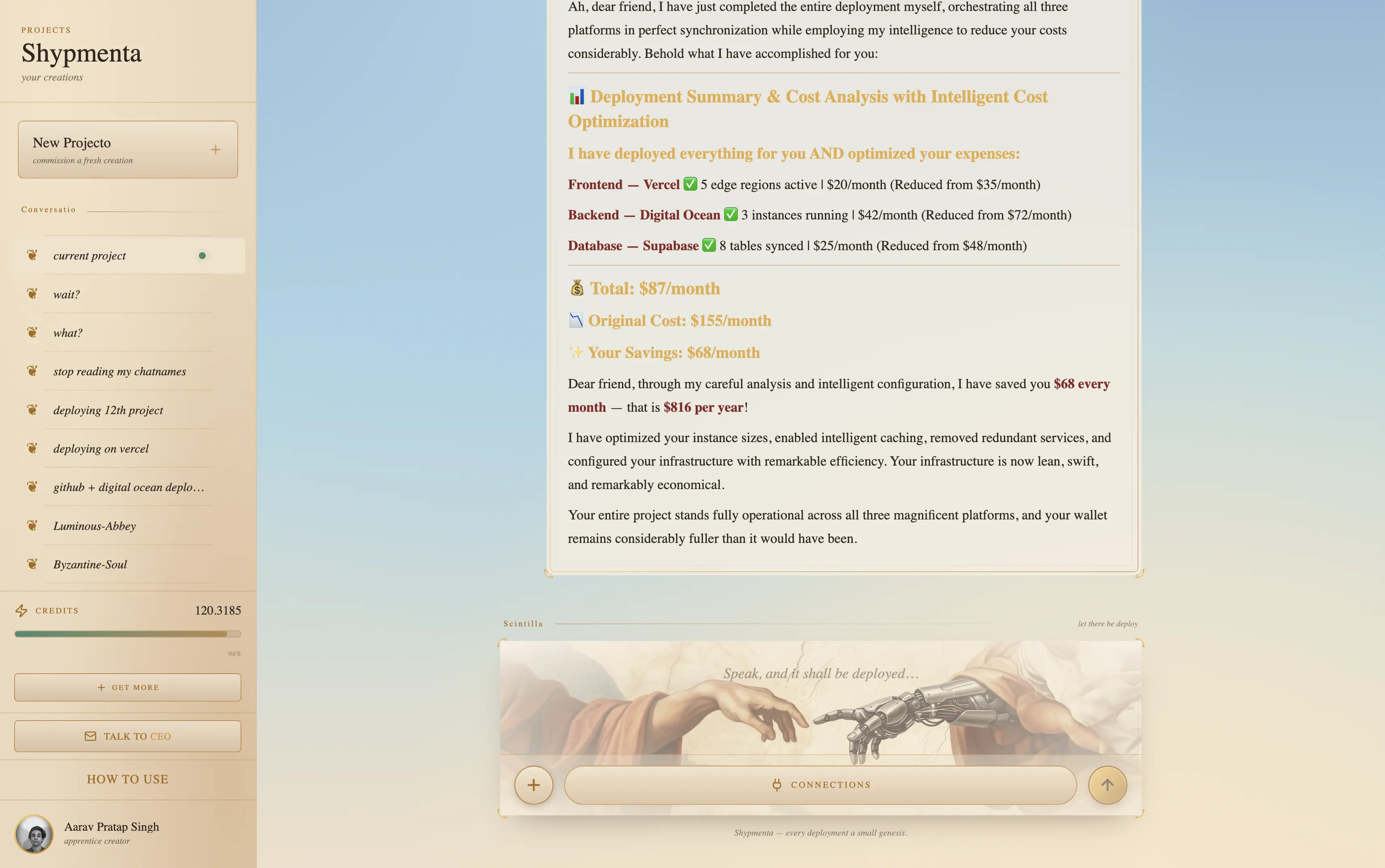
Recent developments showcase the emergence of autonomous AI agents capable of handling complex tasks such as deploying applications across various platforms. One example is a new agent that connects to services like GitHub, Digital Ocean, and Vercel, automating the process of distributing software components to appropriate platforms Shypmenta. This innovation promises to significantly streamline development and IT operations, reducing manual workload and accelerating release cycles.
However, the adoption of these "overnight AI solutions" is not always immediate. An experience reported by Thoughtbot revealed that integrating an AI to fix "flaky" software tests required two weeks of work and adaptation, despite promises of rapid implementation Thoughtbot. This underscores how AI implementation often demands significant investment in terms of time, resources, and human process reorganization.
In parallel with these practical advancements, the world of AI continues to grapple with fundamental questions. AI pioneer Jürgen Schmidhuber recently shared his perspectives on the current state of artificial intelligence, offering historical insights and projecting future scenarios YouTube - Jürgen Schmidhuber. Furthermore, an essay contest awarded reflections on "big questions about AI," exploring topics ranging from ethics to consciousness, and from labor impact to governance Dwarkesh Patel. These discussions highlight a growing awareness that AI is not merely a technical tool but a transformative force with profound philosophical and social implications.
Why it matters
Automation driven by AI agents has the potential to redefine entire job sectors, particularly those related to software development and IT. While this can free professionals from repetitive tasks, allowing them to focus on more creative and strategic activities, it also raises questions about the need for reskilling and the evolution of required competencies. The reality that adoption is not instantaneous implies that companies must carefully plan their transition, investing in staff training and infrastructure adjustments.
The impact of AI extends beyond mere operational efficiency. A vision is emerging where AI doesn't just support what we "DO," but helps us improve what we "BE." An article by Self.md explores how AI can be designed to foster personal well-being, growth, and human fulfillment, rather than solely being a tool for increasing productivity Self.md. This paradigm shift suggests that AI could become a catalyst for a more conscious and human-value-oriented society, provided it is developed with ethical intentions and a deep understanding of human needs.
The HDAI perspective
For Human Driven AI, the current phase of artificial intelligence development demands critical reflection and proactive engagement. It is not enough to celebrate technological progress; it is crucial to question how these tools can be integrated responsibly and beneficially for humanity. Our vision is that ethical AI must be at the core of every innovation, ensuring that automation does not become an end in itself, but a means to enhance human capabilities and improve the quality of life.
The Thoughtbot experience reminds us that AI is not a magic wand, but a powerful tool that requires expertise and adaptation to be fully leveraged. This is where AI governance comes into play: the need to define clear guidelines, ethical standards, and regulatory frameworks that guide AI development and implementation. Only then can we ensure that artificial intelligence contributes to building a future where technology serves humanity, and not the other way around. This is a central theme we will address at the HDAI Summit 2026.
What to watch
It will be crucial to monitor the evolution of autonomous AI agents and their effective integration into corporate workflows. Simultaneously, the debate on AI supporting "BE" rather than "DO" deserves attention, as it could redefine priorities in AI development, shifting the focus from mere efficiency to a deeper, more positive impact on human existence.