AI Controversies: Governance, Labor Ethics, and Tech Alliances
The artificial intelligence landscape has recently been shaken by a series of events challenging governance, labor ethics, and the nature of technological collaborations, highlighting the growing need for ethical AI.
What happened
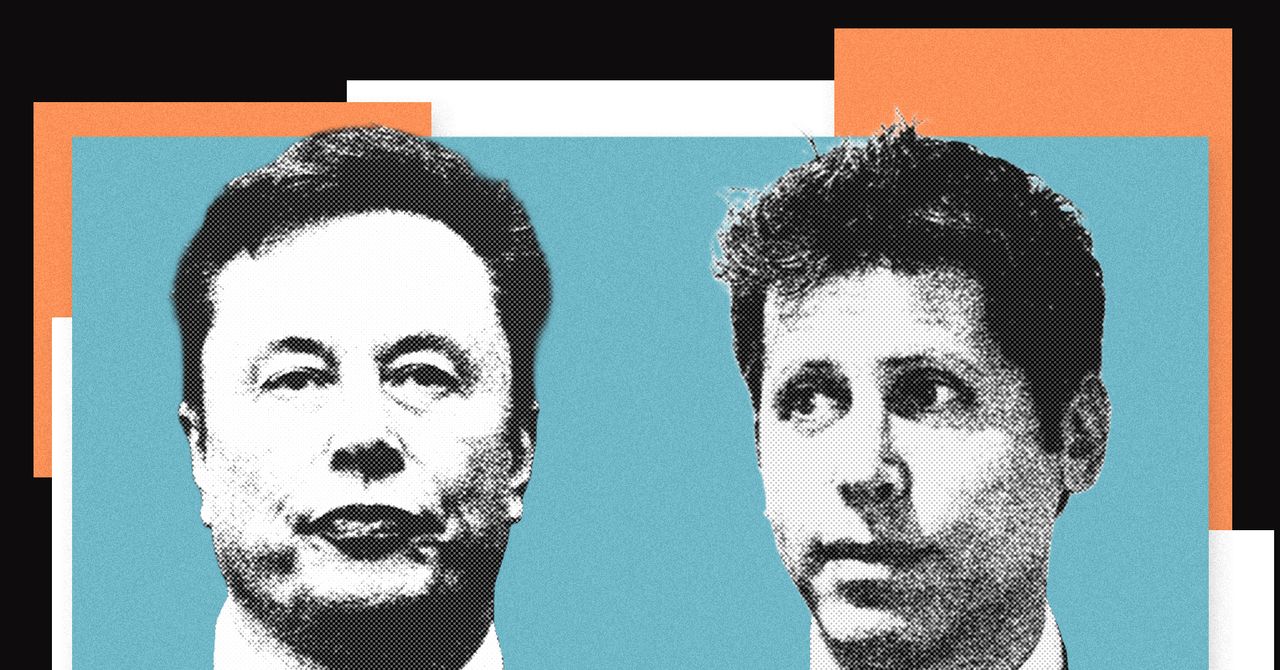
The trial between Elon Musk and OpenAI, with Sam Altman at its core, has concluded with a federal jury now deliberating, though a general consensus suggests that all parties involved have seen their image tarnished Wired AI. Concurrently, OpenAI is reportedly preparing legal action against Apple over a ChatGPT integration partnership that allegedly failed to deliver expected subscribers and prominence TechCrunch AI.
Internally, Meta employees in the US and UK are mobilizing against the use of corporate software that tracks keyboard and mouse activity on work laptops, raising serious concerns about workplace surveillance and its impact on privacy Wired AI. Finally, Donald Trump's visit to China has refocused attention on the geopolitical implications of AI and the global competition for technological leadership, at a time of heightened international economic and political tension Wired AI.
Why it matters
These events are not isolated; they reflect systemic challenges facing the AI industry. Legal disputes between giants like Musk, Altman, OpenAI, and Apple highlight the fragility of alliances and the fierce competition, where the promise of AI for the common good clashes with commercial interests and the pursuit of market dominance. The lack of clarity regarding the governance and business models of entities that claim to be "non-profit" but operate with market logic raises fundamental questions about transparency and accountability.
The Meta case is emblematic of the tensions between productivity and privacy in the era of hybrid and remote work. The use of AI-powered surveillance tools to monitor employees, even if motivated by security or efficiency needs, erodes trust, increases stress, and can lead to a toxic work environment. This raises crucial questions about the AI future of work and workers' rights in the digital age, where technology can be used for control rather than empowerment.
At a macro level, Trump's visit to China underscores how AI is not just a technological issue but a pillar of national security and geopolitical influence, with implications for international cooperation and the definition of global standards.
The HDAI perspective
The recent series of controversies reinforces the conviction that AI that does not center the human being, their rights, and their well-being, is destined to create more problems than solutions. From the governance model of an AI organization to the protection of workers' privacy, every aspect of AI development and implementation must be guided by ethical principles and a human-centric vision. It is imperative that companies and legislators collaborate to establish robust AI governance frameworks that ensure transparency, fairness, and accountability. These themes will be central to the discussions at the HDAI Summit 2026 in Pompeii, where experts and leaders will gather to outline a future for AI that truly serves humanity.
What to watch
In the coming months, it will be crucial to observe the outcomes of the legal actions involving OpenAI, which could redefine partnership and competition dynamics in the sector. Similarly, the evolution of corporate policies on employee surveillance, in response to internal protests and growing public awareness, will indicate the direction of the balance between productivity and individual rights. Internationally, discussions between major global powers on AI will continue to shape the landscape of regulation and cooperation.