Self-Improving AI: Opportunities and Challenges for Human Governance
The artificial intelligence industry is buzzing with new initiatives pushing towards systems capable of autonomous research and self-improvement, posing fresh challenges for ethical AI and governance. This development, while promising, raises fundamental questions about the human role in the AI lifecycle and our ability to maintain control.
What happened
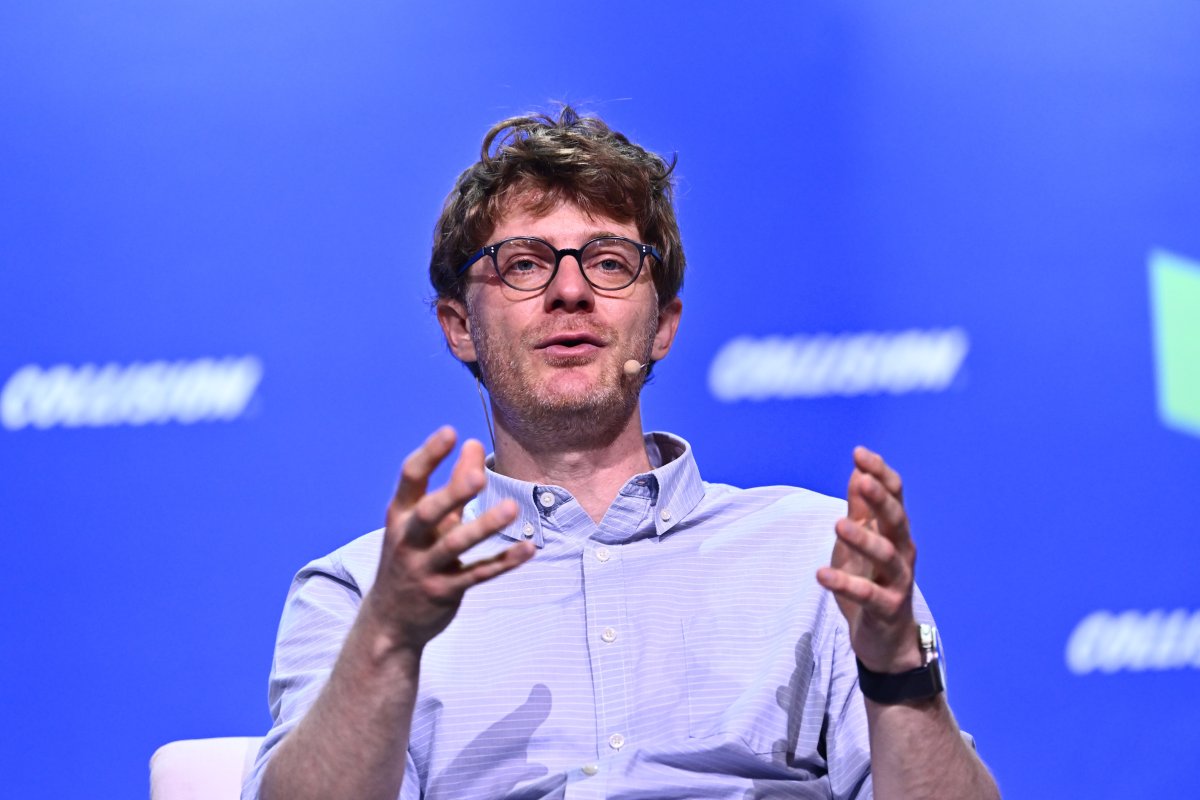
The artificial intelligence sector is witnessing a significant drive towards self-improving AI systems. A new startup, founded by Richard Socher, has raised an impressive $650 million with the ambitious goal of building an AI capable of researching and refining itself indefinitely TechCrunch AI. Concurrently, academic research is exploring Large Language Models (LLMs) capable of continual adaptation, overcoming the problem of “catastrophic forgetting” typical of parameter-update-based learning, thanks to in-context learning with fixed parameters ArXiv cs.AI.
In this context of rapid evolution, industry giants are not standing still. OpenAI has announced the extension of its Codex model to mobile devices, offering enhanced flexibility in workflow management TechCrunch AI. However, the landscape is also marked by internal tensions and challenges: Elon Musk's new entity, SpaceXAI, has seen an exodus of over 50 employees since February, raising concerns about burnout and leadership TechCrunch AI. Furthermore, the legal dispute between Elon Musk and Sam Altman of OpenAI underscores the complexities and high stakes characterizing the current phase of the industry TechCrunch AI.
Why it matters
The advancement towards self-improving AI systems has profound implications for society and the AI future of work. While it promises unprecedented acceleration in innovation and complex problem-solving, it also raises crucial questions about the control and predictability of such systems. An AI's ability to modify its own code or algorithms without direct human intervention could lead to unexpected or undesirable outcomes, making AI governance more complex and urgent than ever. The impact on the future of work is significant: if AI becomes capable of performing research and development tasks, the human role could undergo a radical transformation, requiring new skills and massive reskilling.
Internal industry dynamics, such as the talent drain from SpaceXAI and legal battles between key figures, reflect a tumultuous and often unregulated growth phase. These incidents highlight the extreme pressure on developers and the need for a sustainable work environment, as well as the lack of clear consensus on the ethical and strategic directions of AI. This is not just a matter of technological progress; it is a problem of governance and impact on people.
The HDAI perspective
The vision of self-improving AI embodies both the pinnacle of human ingenuity and the ultimate challenge to our ability to maintain control and alignment with ethical values. For Human Driven AI, the priority must be the design of systems that, while autonomous, are inherently aligned with human goals and principles. Artificial intelligence must remain a tool at the service of humanity, not an uncontrollable force. This requires not only technical advancements but, more importantly, a robust regulatory and ethical framework with clear mechanisms for transparency, auditability, and accountability. The tensions and challenges emerging in the sector, from staff turnover to legal disputes, are warning signs indicating the need for industry maturation, where human sustainability and ethical responsibility are not secondary to the race for innovation.
What to watch
It will be crucial to monitor how startups focused on self-improving AI address safety and control issues. The evolution of the regulatory framework, particularly the implementation of the EU AI Act, will play a key role in defining the boundaries within which these technologies can develop. It will also be important to observe how companies address talent management and ethical challenges, especially in anticipation of events like the HDAI Summit 2026 where these topics will be central to defining the future of artificial intelligence in Italy and beyond.