The AI Dilemma: Innovation, Privacy, and Real-World Impact
Recent weeks have highlighted the complexities of integrating artificial intelligence into society, revealing tensions between promises of innovation, privacy concerns, the impact on labor, and the environmental repercussions of the necessary infrastructure.
What happened
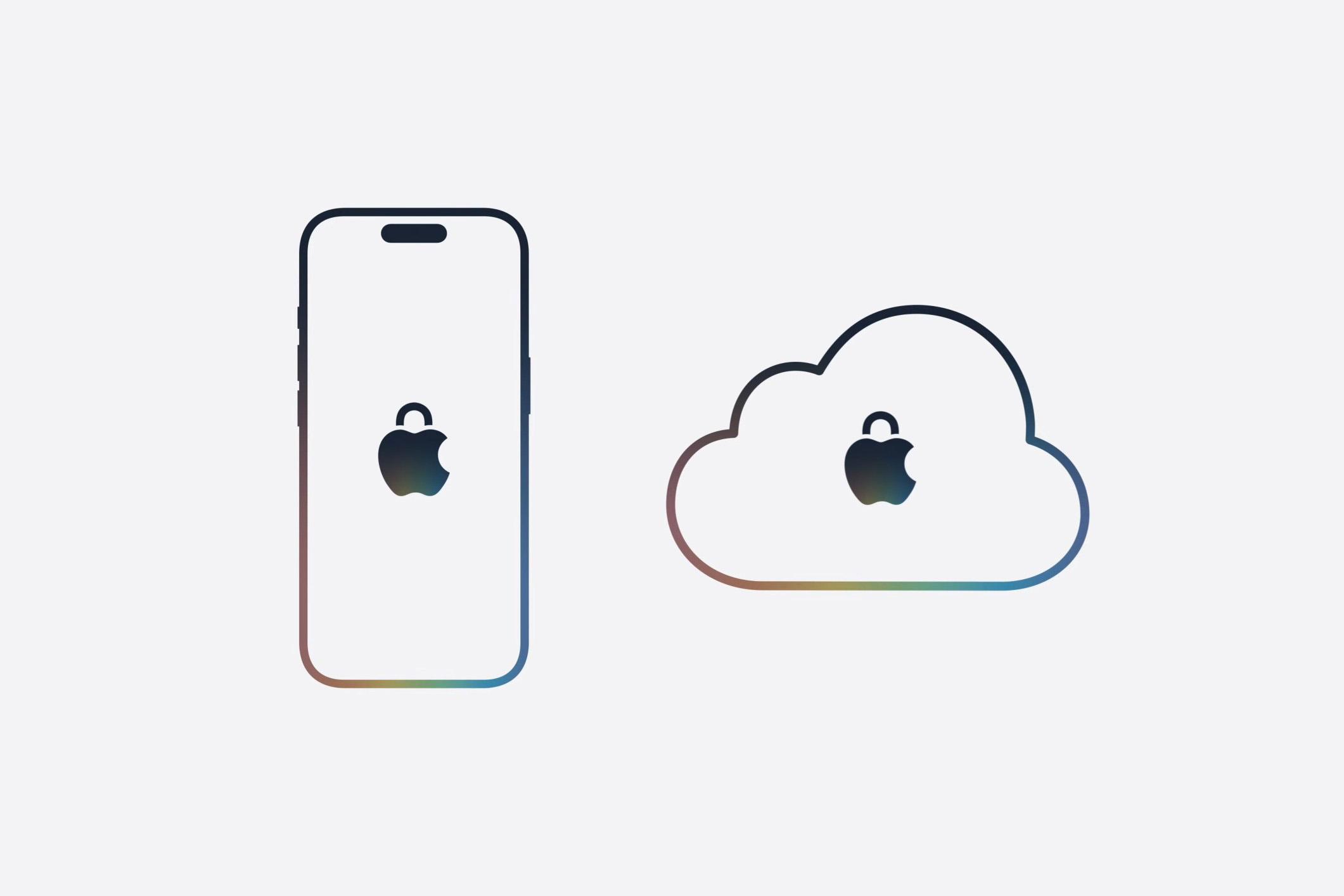
Apple unveiled its new artificial intelligence features during WWDC, its annual developer conference, placing a strong emphasis on privacy. The company introduced Private Cloud Compute, a system designed to securely process AI requests, keeping user data protected and, where possible, processing information directly on the device Apple’s AI pitch will live or die by its privacy promise. While many of the functionalities, such as a more advanced Siri AI and text summarization tools, were perceived as an attempt to catch up with competitors, Apple's privacy-centric approach aims to differentiate its offering Apple’s AI promises are finally, almost, sort of here.
Concurrently, Mustafa Suleyman, head of AI at Microsoft, walked back some of his previous statements regarding the automation of "white-collar" jobs. Suleyman clarified that AI is intended to assist professionals like lawyers, accountants, and project managers, rather than replace them entirely, by helping them perform specific and repetitive tasks Microsoft AI chief walks back comments about AI taking over white-collar work. This clarification comes at a time of growing debate about AI's impact on the AI future of work.
Finally, the city of Seattle is considering a one-year moratorium on the construction of new data centers, a proposal supported by Amazon employees. The primary concern revolves around the high energy and water consumption of these infrastructures, essential for powering AI, and their environmental and urban impact on the local community Amazon employees ask Seattle to put the brakes on new data centers.
Why it matters
These seemingly disconnected events converge on a crucial point: artificial intelligence is not just a technological issue, but a phenomenon with profound ethical, social, and economic implications. Apple's privacy strategy raises the bar for the industry, pushing towards more responsible AI and personal data protection, a fundamental aspect for user trust. While the features may seem late, privacy-respecting AI could be the true differentiator.
Suleyman's statements reflect the need for a more balanced narrative on automation. The widespread fear of massive job losses can be mitigated by a more nuanced understanding of AI's role as a tool for human augmentation, rather than replacement. This requires a commitment to reskilling and adapting competencies, a central theme in the AI future of work debate.
The protests in Seattle, on the other hand, highlight an often-overlooked cost of AI: the ecological footprint of its infrastructure. Data centers require enormous amounts of energy and water, raising questions about the long-term sustainability of AI's exponential growth. Ignoring these impacts means compromising global sustainability goals.
The HDAI perspective
For Human Driven AI, these developments underscore a fundamental principle: technological innovation must always be guided by a deep consideration for human beings and their environment. It is not enough to develop powerful algorithms; it is imperative to build systems that are ethical, transparent, and sustainable. Apple's choice to focus on privacy, Microsoft's clarification on employment impact, and the environmental concerns in Seattle, demonstrate that AI governance is no longer optional, but an urgent necessity.
Artificial intelligence must serve humanity, not the other way around, and this requires a constant dialogue between technology, ethics, and society. Topics such as AI sustainability, privacy protection, and labor impact will be central to discussions at the HDAI Summit 2026 in Pompeii, where experts and leaders will converge to define a path towards truly human-driven AI.
What to watch
It will be crucial to observe how Apple upholds its privacy promises and whether its approach influences other tech giants. Similarly, the decisions of the Seattle City Council could set an important precedent for data center regulation. Finally, the debate about AI's impact on employment will continue to evolve, requiring active policies for training and job transition.