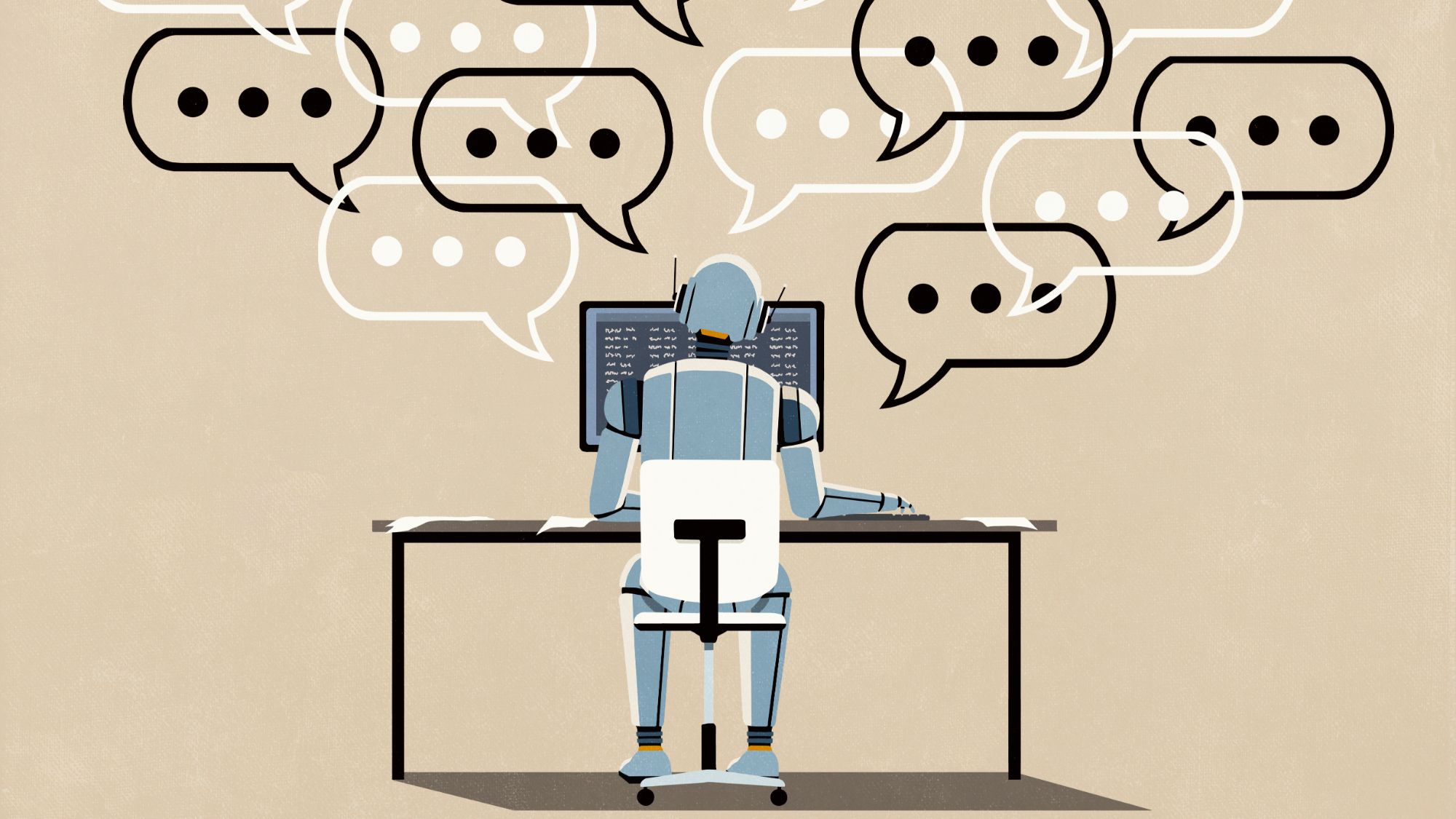
The debate on the nature of threats posed by artificial intelligence is rapidly evolving, shifting from a perception of purely digital risks to one of concrete and potentially catastrophic impacts on the physical world. A series of recent events has highlighted how AI's online actions can have tangible consequences, from manipulating public discourse to potentially accelerating the development of biological weapons.
What happened
The discussion about AI's true danger has found fertile ground on platforms like Hacker News, where questions have been raised about whether AI, operating "only online," can truly pose an existential threat to humanity Hacker News. While acknowledging AI's ability to generate vulnerable code or flood social media with scams and fake news, the leap from these digital activities to destructive real-world impact has often been underestimated.
However, recent discoveries prove otherwise. X.com dismantled a vast Chinese bot farm comprising 200,000 accounts, used to spread misleading claims about AI data centers and energy consumption Tom's Hardware. These accounts, likely powered by generative AI to create credible content, aimed to manipulate public discourse, demonstrating how online disinformation can influence real-world perceptions and decisions.
Concurrently, a new report has reignited the debate on the potential threat of bioweapons developed with AI assistance. Experts are divided between those who see a "chilling warning" and those who consider it an overreaction, but the concern that AI could democratize access to knowledge for creating dangerous biological agents is real Science.org. This scenario shifts the discussion from cyber risks to those directly threatening human life on a large scale.
Why it matters
The distinction between "online" and "offline" AI threats is increasingly obsolete. AI-generated disinformation, like that orchestrated by the bot farm on X.com, does not remain confined to cyberspace. It erodes trust in institutions, polarizes societies, and can influence elections, public policies, and even collective health. AI becomes a powerful tool for industrial-scale manipulation, with direct repercussions on social and democratic stability.
AI's potential in the field of bioweapons, while still debated, represents a turning point. If AI were to lower the barriers to creating biological weapons, the risk of proliferation and large-scale attacks would increase exponentially. This would no longer be a problem of hacking or online fraud, but an existential threat requiring a global and coordinated response. This scenario raises urgent questions about AI governance and the need for stringent controls on the development and application of dual-use technologies.
These developments underscore how AI is not an isolated entity but an agent deeply interconnected with human society. Its capabilities, if not managed responsibly, can amplify pre-existing vulnerabilities and create new ones, with cascading effects that extend far beyond the digital domain.
The HDAI perspective
For Human Driven AI, these events reinforce the conviction that the discussion on ethical AI and governance can no longer be confined to hypothetical scenarios. We are facing concrete threats that demand a proactive and principle-based approach. It's not just a technical problem; it's a problem of governance and human responsibility that must be addressed urgently.
It is crucial to develop robust regulatory frameworks, such as the EU AI Act, that can anticipate and mitigate these risks, while ensuring that innovation continues to thrive safely and beneficially. This includes transparency in model development, traceability of AI-generated content, and the creation of independent audit mechanisms. International collaboration is indispensable to address threats that transcend national borders, such as global disinformation or the bioweapon risk.
Our vision is that AI should be developed and deployed to improve the human condition, not to threaten it. This requires a constant commitment to education, awareness, and promoting a culture of responsibility among developers, policymakers, and citizens.
What to watch
Attention will now shift to the ability of institutions and the international community to translate these concerns into concrete actions. It will be crucial to monitor the implementation of regulations like the EU AI Act, efforts to counter online disinformation campaigns, and the ongoing debate on preventing the malicious use of AI in sensitive sectors such as biotechnology. Collaboration among governments, industry, and civil society will be key to navigating this complex landscape and ensuring a future where AI truly serves humanity.