
A series of recent developments highlights the increasing complexity of integrating artificial intelligence into society, touching on aspects ranging from energy infrastructure to labor impact and public perception.
What happened
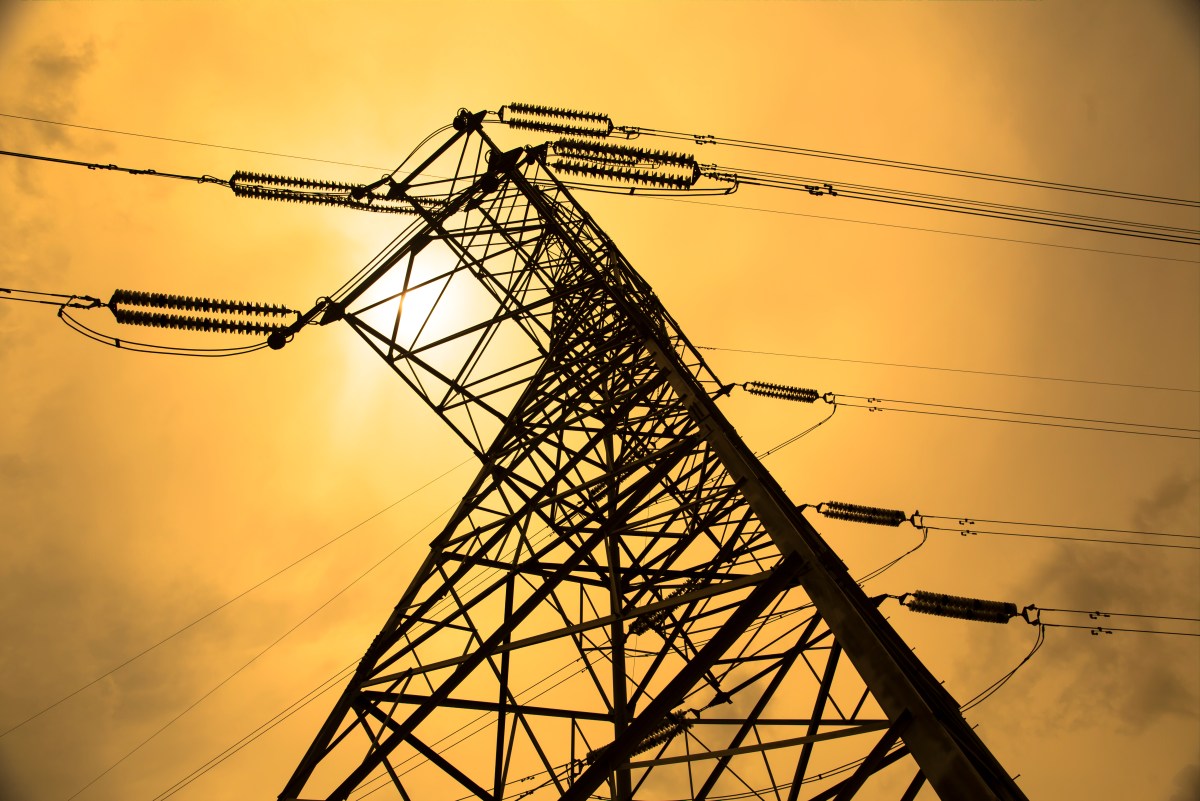
An incident in Northern Virginia exposed the vulnerability of AI data centers to power grid disruptions, underscoring the need for more resilient solutions to support growing energy demand One fallen power line exposed a growing AI data center problem. Here’s how to fix it.. Concurrently, companies like Monday.com and 20 other major tech companies have attributed recent layoffs to AI adoption, raising concrete concerns about the future of employment Monday.com is the latest tech company to blame AI for layoffs — here are 20 others.
In response to this perception, libraries are hosting successful "Avoiding AI" workshops, indicating growing dissatisfaction and a desire to disconnect from "Big Tech" Librarians are hosting viral ‘Avoiding AI’ workshops for people who are fed up with Big Tech. On the development front, Guardrails implemented by companies like OpenAI for their AI models are impeding the work of offensive cybersecurity researchers, who seek vulnerabilities to improve overall security How AI guardrails are impeding the work of offensive cybersecurity researchers. Meanwhile, OpenAI has extended its voice mode to the ChatGPT desktop app, enhancing accessibility and user interaction OpenAI’s new voice mode makes it to the ChatGPT desktop app.
Why it matters
These events reveal a growing tension between rapid AI technological progress and its sustainable integration into society. The energy dependence of data centers raises questions about the resilience of our critical infrastructure and AI's environmental footprint. The impact on labor, with layoffs attributed to AI, fuels a crucial debate on the need for reskilling and new social protection policies. Popular reaction, manifested in "Avoiding AI" workshops, highlights a need for control and understanding, not just uncritical adoption. Finally, the guardrail dilemma shows how the pursuit of safety can unintentionally limit the ability to identify and mitigate new threats, underscoring the complexity of AI governance.
The HDAI perspective
The vision of Human Driven AI is clear: AI must be developed and implemented with a deep understanding of its human and social implications. Infrastructure incidents remind us that technology is not disembodied; it has a tangible physical and environmental impact. Layoffs and popular resistance are not mere side effects but signals of an ethical and political urgency. It is crucial that technological progress is accompanied by open dialogue and proactive strategies to mitigate risks and maximize benefits for all. AI is not just about algorithms, but about people, power, and responsibility. This approach will be central to discussions at the HDAI Summit 2026, where we will explore how to balance innovation and human impact.
What to watch
It will be crucial to monitor how tech companies address infrastructure challenges and employment impact, and whether public policies can respond to the growing demand for ethical AI and responsible development. The evolution of user interfaces, such as ChatGPT's voice mode, will continue to shape our daily interaction with AI, making the need for a human-centric approach even more pressing.