
AI Progress: Drug Discovery, Security, Ethical Challenges
The artificial intelligence landscape is rapidly evolving, with recent announcements ranging from applications in critical sectors like pharmaceuticals to managing model security and intellectual property attribution. These developments highlight the urgency of a discussion on ethical AI and its governance.
What happened
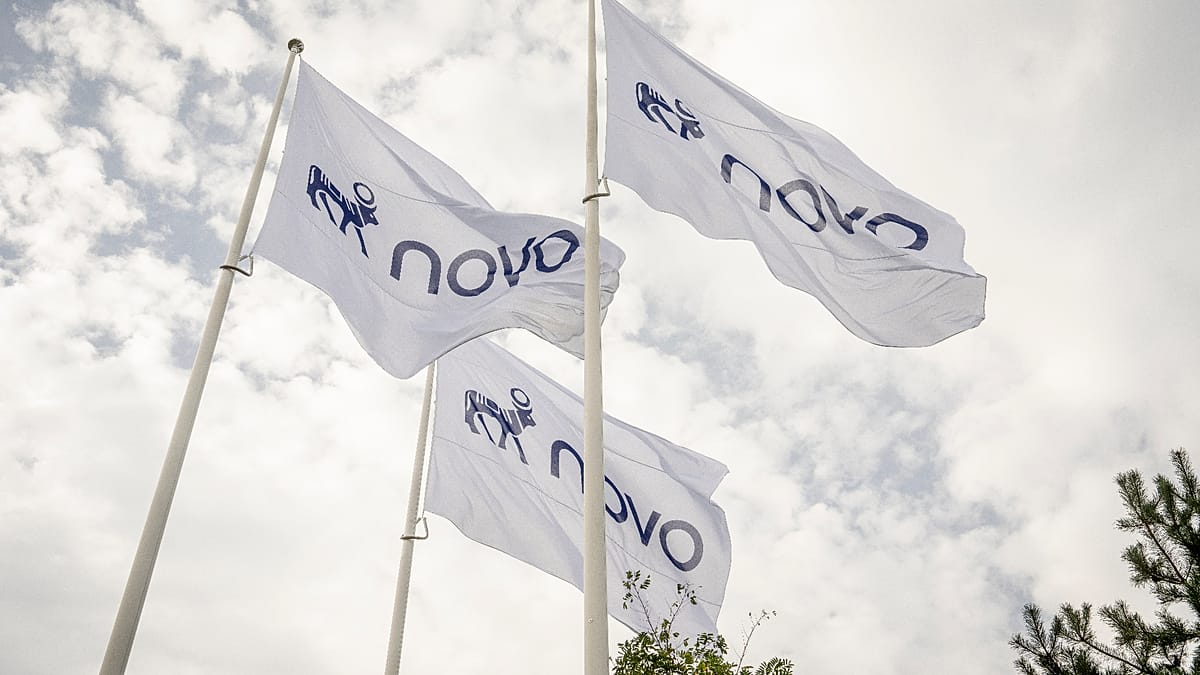
Danish pharmaceutical giant Novo Nordisk announced its adoption of Anthropic's Claude model to accelerate new drug discovery Danish pharma giant Novo to use Anthropic's Claude to advance AI drug discovery. Concurrently, research demonstrated the capability to run complex models like Kimi K2.5 (approximately 375 GB) on local hardware, such as a Ryzen AI MAX+ 395 PC with 128 GB of RAM, opening new frontiers for on-device AI Characterizing ~375 GB Kimi K2.5 on a 128 GB Ryzen AI MAX+ 395 PC. On the security front, a recent OpenAI "hack" on Hugging Face was interpreted as a crucial opportunity to enhance AI safety OpenAI's Hugging Face Hack Is the Best AI Safety Opportunity So Far. Furthermore, a tool called "Am I Cited by AI?" emerged, allowing authors to check if their work has been used by AI assistants Am I Cited by AI? See which AI assistants are reading your papers, while OpenSpec proposes a lightweight framework for AI specifications OpenSpec – A lightweight and configurable AI spec framework.
Why it matters
The integration of AI into drug discovery by companies like Novo Nordisk promises to revolutionize medicine, accelerating research and reducing costs, but also raises questions about the transparency and validation of AI-generated results. The ability to run large models locally, like Kimi K2.5, democratizes access to advanced AI, improving privacy and reducing cloud dependency, but also demands greater attention to device security. The security incident involving OpenAI highlights that vulnerabilities are not just risks but also catalysts for developing more robust security protocols and fostering greater collaboration within the community. The attribution issue, raised by "Am I Cited by AI?", is fundamental for the future of intellectual property and academic recognition in the era of generative AI, while frameworks like OpenSpec are essential for establishing standards and promoting effective AI governance.
The HDAI perspective
These diverse developments converge on a crucial point: the necessity of a Human Driven AI approach that places humans at the center. AI in pharmaceuticals must be developed with ethical rigor, ensuring that health benefits are maximized without compromising safety or trust. The decentralization of AI on local devices offers opportunities for inclusion and privacy but requires deep reflection on how to ensure these systems are secure and do not propagate biases. Security incidents, when managed with transparency and responsibility, can become opportunities to strengthen the resilience of AI systems. Finally, protecting intellectual property and defining open standards are pillars for a fair and sustainable AI ecosystem. It is imperative that technological innovation is always accompanied by a robust ethical and governance framework. These themes will be central to the discussions at the HDAI Summit 2026.
What to watch
It will be crucial to observe how pharmaceutical companies integrate AI into their R&D processes, the academic community's responses to attribution challenges, and how open standards like OpenSpec will influence future AI development. The continuous evolution of on-device processing capabilities and the security strategies adopted by major players will define the next chapter of AI.