Artificial intelligence is rapidly permeating every aspect of daily life, from home security solutions to new business models for digital services, while simultaneously raising urgent questions about ethics, governance, and social acceptance.
What happened
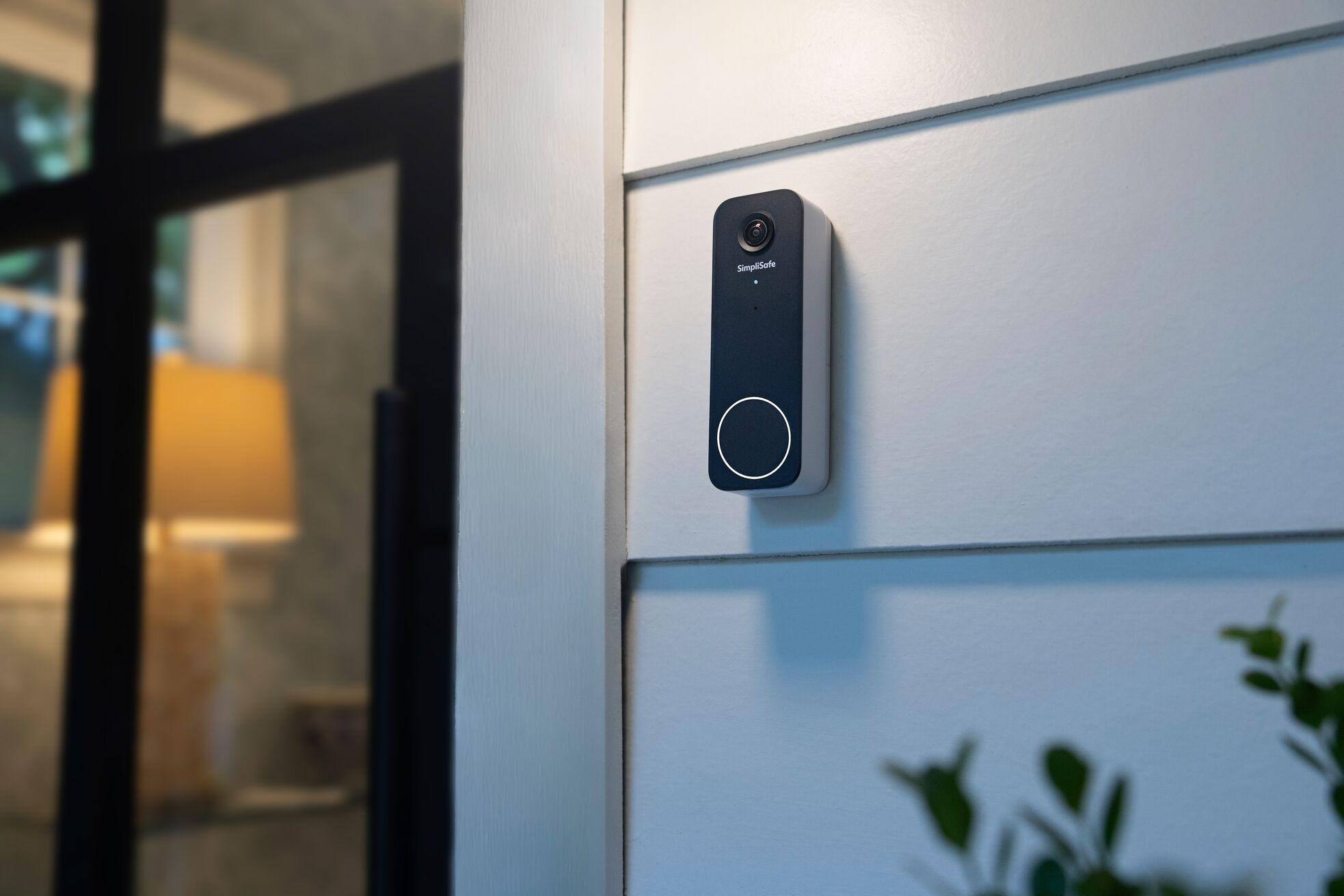
Recent developments show widespread AI adoption across various sectors. SimpliSafe, for example, has launched its Video Doorbell Series 2, which integrates AI analysis with human operators for proactive home security, combining technology and human intervention to detect and respond to potential threats "This doorbell camera lets a human security guard watch your front door". In parallel, Meta introduced its Meta One subscriptions, offering service bundles with additional AI usage, monetizing access to advanced features for individual users, creators, and businesses "Meta’s new One subscriptions put a price on social media and AI". In the fashion industry, the Daydream app leverages Apple Intelligence to transform outfit photos into shoppable results, simplifying the shopping experience "Fashion app Daydream uses Apple Intelligence to help you shop the outfits in your camera roll".
However, these technological advancements are met with growing public concern. A survey by the New York Times and Siena University revealed that 61% of likely voters oppose the construction of data centers to power AI, indicating widespread unpopularity for both AI and its infrastructure "AI and data centers are incredibly unpopular in every poll". In response to these challenges, Microsoft has published a new "code of conduct" for its AI models, establishing principles to support humans rather than replace them and imposing safety constraints to prevent harmful actions like hacking or deception "Microsoft’s new AI ‘code of conduct’ tells models not to hack systems or trick humans".
Why it matters
The extensive integration of AI into daily life raises crucial questions about the balance between innovation and responsibility. Solutions like SimpliSafe's demonstrate AI's potential to enhance security, but also highlight the need for well-defined human-machine interaction, where AI assists human operators without replacing their critical judgment. Meta's subscription models, on the other hand, signal a trend towards monetizing advanced AI features, which could create new barriers to access and digital inequalities, shifting the focus from universal utility to availability for those who can pay.
The growing unpopularity of AI and data centers, as highlighted by the poll, reflects a deeper concern regarding environmental impact, data privacy, and the perception of excessive technological control. This public sentiment cannot be ignored by companies and lawmakers. Microsoft's code of conduct is a significant step towards greater AI governance and the promotion of ethical AI. It underscores the importance of designing systems that "accelerate human flourishing," a principle that should guide every development, especially in a context of increasing skepticism.
The HDAI perspective
Today's artificial intelligence landscape, characterized by rapid adoption and growing ethical and social concerns, reinforces the mission of Human Driven AI. It is crucial that technological innovation is always oriented towards human well-being and sustainability. SimpliSafe's example shows that synergy between AI and human oversight is the most promising path for critical applications, while Microsoft's approach to ethical AI sets an essential precedent for responsible development. Public trust in AI is earned not only through the most advanced technology, but through transparency, accountability, and a tangible commitment to solid ethical principles. These themes will be central to discussions at the HDAI Summit 2026 in Pompeii, where experts and leaders will convene to outline an AI future that truly serves humanity.
What to watch
In the coming months, it will be crucial to observe how companies respond to the growing unpopularity of AI, particularly concerning the environmental impact of data centers. We also anticipate an evolution in regulations, such as the EU AI Act, which could integrate principles similar to those proposed by Microsoft. The ability to balance innovation, ethics, and public acceptance will determine the future trajectory of artificial intelligence and its sustainable integration into society.