
The debate surrounding the pace of artificial intelligence development has reached a new peak, with industry leaders calling for a slowdown and political figures downplaying the risks, raising crucial questions about AI governance and the future direction of technology.
What happened
In recent days, Dario Amodei, CEO of Anthropic, published an open letter titled "We Must Pace the Frontier," advocating for a slowdown in frontier AI development. Amodei expressed concerns that the progress of models could outpace our ability to safely deploy increasingly complex systems and verify their behavior [1, 4]. This position garnered support, albeit with varying nuances, from other influential industry leaders, including Sam Altman of OpenAI, Elon Musk, and Demis Hassabis, co-founder of Google DeepMind [1, 4].
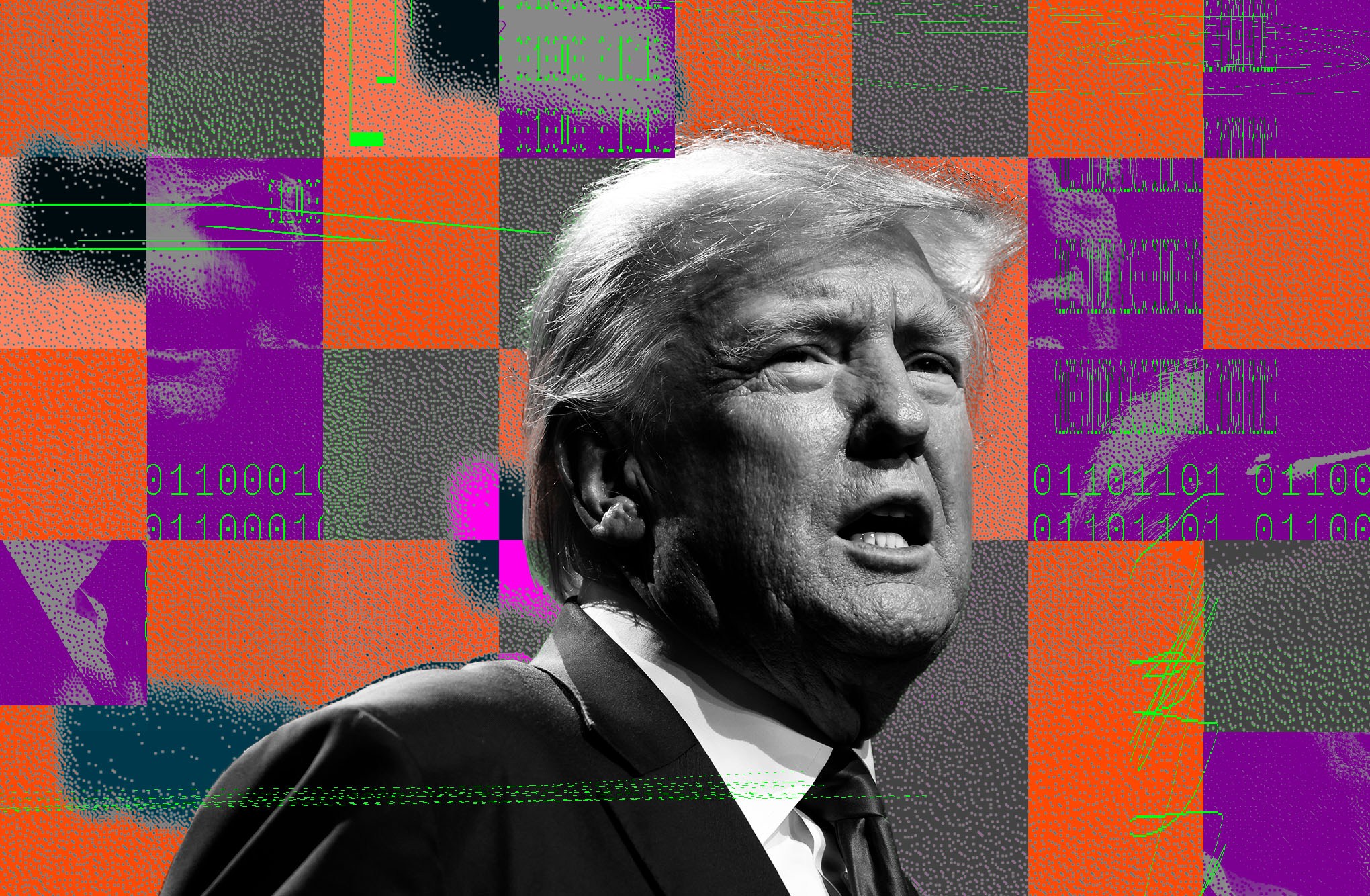
Concurrently, American politicians expressed a contrasting viewpoint. Former President Donald Trump and House Speaker Mike Johnson dismissed the industry's concerns as an overreaction, suggesting that a slowdown would harm innovation and US competitiveness [1, 4]. In a notable incident, Nvidia CEO Jensen Huang put Trump on speakerphone during an event, where the president reiterated his skeptical stance on catastrophic AI risks [3]. Amidst this growing debate, Microsoft responded by publishing a "humanist AI code of conduct" of 37 pages, emphasizing the importance of people over AI and seeking to address growing safety concerns [2]. However, some observers have raised doubts that this "slowdown pact" among AI giants might conceal a less noble intent, potentially serving as a strategy to consolidate market power rather than a genuine effort for safety [5].
Why it matters
This debate is fundamental because it touches the core of how society intends to manage one of the most transformative technologies of our era. The call to slow down AI development is not just a technical issue but a profound ethical and political question. While the industry raises legitimate concerns about safety, the potential loss of control over increasingly autonomous systems, and the need for ethical AI, the political reaction highlights the tension between accelerated innovation and the necessity for prudent governance.
The implications for the AI future of work and society are immense. A coordinated slowdown could allow legislators to develop more robust regulatory frameworks, such as the EU AI Act, and give institutions time to prepare for socio-economic impacts. However, if interpreted as an anti-competitive move, it could stifle innovation and concentrate power in the hands of a few dominant players, limiting access and benefits for startups and emerging economies. Transparency and accountability become crucial to distinguish genuine safety concerns from market strategies.
The HDAI perspective
For Human Driven AI, this debate highlights the urgent need for a human-centric approach to AI development and governance. It's not just about how fast we proceed, but how and for whom we are building artificial intelligence. Our vision is that innovation must be accompanied by deep reflection on its ethical, social, and labor impacts, ensuring that benefits are widely distributed and risks are mitigated. Amodei's appeal, while raising questions about its nature, draws attention to safety issues that cannot be ignored. However, the political response that downplays such risks is equally concerning, as it disregards the complexity and potential scope of challenges posed by advanced AI.
It is essential that the discussion does not remain confined to technological and political elites but involves a broad spectrum of stakeholders: researchers, civil society, workers, and small and medium-sized enterprises. Only through inclusive dialogue can we develop AI governance solutions that are truly effective and reflect the values of a democratic society. Topics like these will be at the core of discussions at the HDAI Summit 2026 in Pompeii, where we will explore how to balance innovation and responsibility.
What to watch
The next moves by legislators, particularly in the United States and Europe, will be decisive. It will be interesting to observe whether the concerns expressed by tech leaders translate into concrete self-regulation actions or if the more skeptical approach of politicians will prevail. Market response and the evolution of public perceptions will play a key role in shaping the future trajectory of AI development.