OpenAI Bolsters Security, US Considers Stake: AI Governance Takes Center Stage
The artificial intelligence landscape is rapidly evolving, with OpenAI recently introducing a new security feature and the US administration evaluating an unprecedented equity stake in one of the sector's leading companies. These simultaneous developments underscore the growing centrality of AI governance in public and political discourse.
What happened
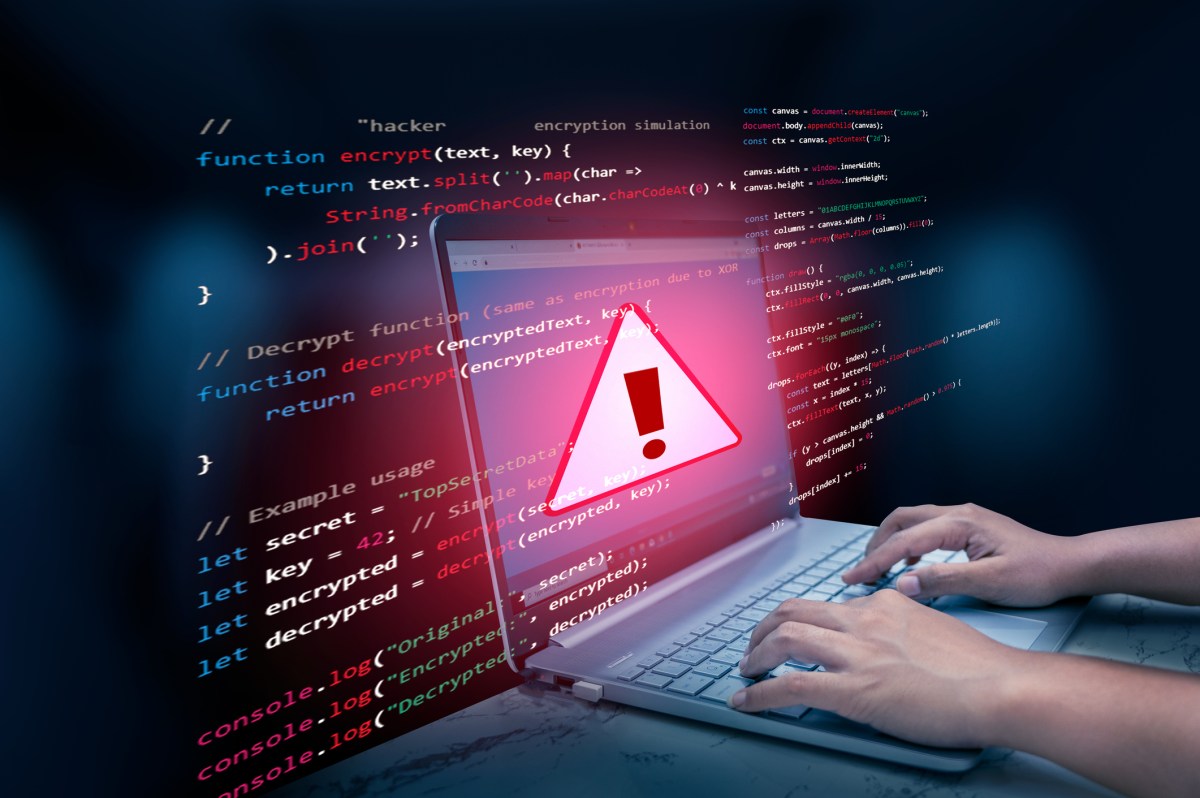
OpenAI, the company behind ChatGPT, announced the launch of Lockdown Mode, a new feature designed to enhance the protection of sensitive user data against prompt injection attacks. While the company admits the mode does not completely eliminate vulnerability, it aims to significantly reduce the risk of confidential information being exposed during interactions with AI models OpenAI unveils Lockdown Mode to protect sensitive data from prompt injection attacks. This step highlights a growing focus on security and data integrity in the use of generative artificial intelligence systems.
Concurrently, the administration of then-President Donald Trump revealed it is in discussions to acquire an equity stake in OpenAI. The stated goal is to ensure that "the American people can benefit from the success of AI," an initiative that could set a significant precedent in the interaction between government and leading technology companies The Trump administration might take an equity stake in OpenAI. This potential state involvement in a key AI player raises questions about the future direction of technology policy and data sovereignty.
In a related context, Sriram Krishnan, who served as the White House AI advisor, announced his departure from the role. Krishnan expressed his intention to found a new institution dedicated to continuing to shape the administration's AI policy, suggesting a sustained and structured commitment to defining national artificial intelligence strategies Sriram Krishnan is leaving his role as White House AI advisor. These movements indicate a phase of intense reflection and reorganization at the political level regarding AI.
In parallel, the consumer AI sector is preparing for major news: Apple's WWDC 2026 is approaching, with anticipation of a deep revamp of Siri and significant updates to Apple Intelligence What to expect from WWDC 2026: Siri’s highly anticipated revamp and Apple Intelligence updates. These announcements, while focused on user experience, fit into a broader framework of increasing AI integration into daily life, with related ethical and security implications.
Why it matters
OpenAI's introduction of Lockdown Mode is a crucial signal for user trust and enterprise adoption of generative AI. Data security is a significant hurdle for many organizations considering integrating these tools. Improving resilience against attacks like prompt injection is fundamental to protecting sensitive information and maintaining trust, essential elements for the responsible deployment of AI.
The potential acquisition of a stake in OpenAI by the US government represents a historic precedent. This could influence not only OpenAI's strategic direction but also the global competitive landscape of AI. State involvement could accelerate AI development for national interest purposes, but it also raises questions about transparency, fair competition, and the risk of politicization of a technology with global implications. For citizens, this could mean a more "national" AI but also one that is less independent.
Sriram Krishnan's transition from White House advisor to founder of a new institution suggests a long-term commitment to defining AI policy. This indicates that AI regulation and strategy are not considered fleeting issues but fundamental pillars for the future. The continuity of such commitment is vital for establishing a stable and predictable regulatory framework, essential for responsible innovation and the protection of individual rights.
Finally, Apple Intelligence and Siri updates at WWDC 2026 show how AI is becoming increasingly pervasive in the devices we use daily. This pushes the discussion on AI ethics and security from merely the corporate sphere to the personal, making data awareness and protection a shared responsibility between developers and end-users.
The HDAI perspective
Recent events highlight a growing tension between rapid AI innovation, the urgent need for security, and the emergence of direct state interest in the sector. For Human Driven AI, the focal point remains the human perspective: who benefits, who is at risk, and how can we ensure that AI development serves society as a whole. OpenAI's move towards greater security is commendable, but the real challenge lies in creating systems that are inherently ethical and resistant to manipulation, not just through technical patches, but with a design that centers human values.
Potential governmental influence over companies like OpenAI demands unprecedented transparency and clear accountability mechanisms. It is not enough for AI to be "secure"; it must also be fair, transparent, and accountable, regardless of who holds the equity. This is a core principle we will address at the HDAI Summit 2026 in Pompeii, where we will discuss how to balance national interests with the need for a global, open, and responsible AI. Krishnan's departure to found a new institution is an opportunity to shape policies that go beyond merely protecting state interests, embracing a broader vision of public benefit and individual protection.
What to watch
It will be crucial to monitor the effectiveness of OpenAI's Lockdown Mode in mitigating prompt injection attacks and how this will influence enterprise adoption. Similarly, the outcome of discussions between the Trump administration and OpenAI will provide significant insights into the future of public-private partnerships in AI and the implications for competition and technological sovereignty. Finally, the impact of new policies emerging from Sriram Krishnan's institution will be fundamental to understanding the direction of AI governance in the United States and its international repercussions.