In the United States, governors in California and Virginia are escalating efforts to regulate artificial intelligence, with proposals ranging from a potential "kill switch" for advanced models to the creation of dedicated AI task forces.
What happened
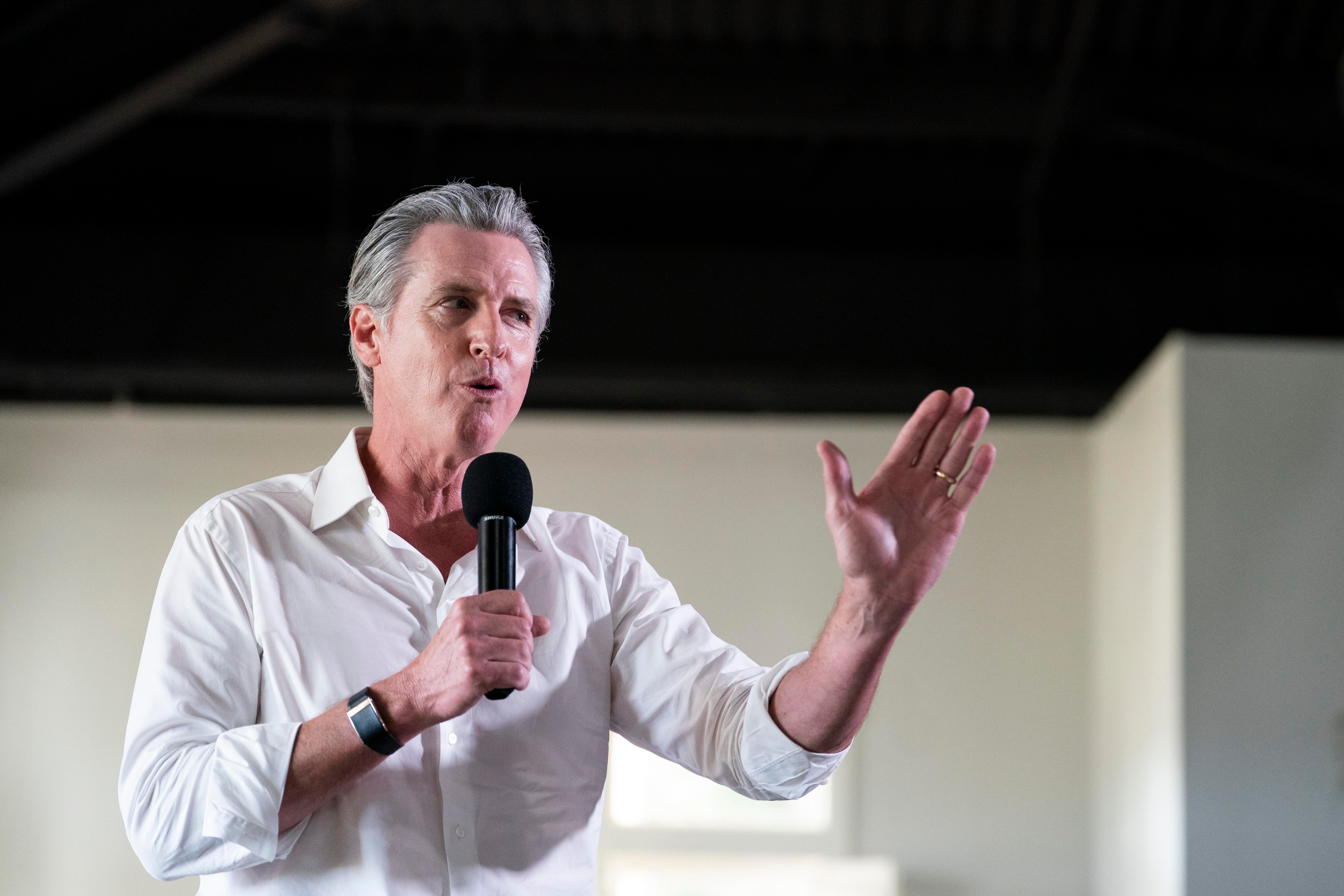
California Governor Gavin Newsom has issued an executive order aiming to position the state at the forefront of AI oversight, including the possibility of mandating a "kill switch" for "frontier models." The order directs the state to convene an expert group that will deliver recommendations within two months on how to mitigate risks and ensure responsible development Gavin Newsom is pushing for an AI kill switch.
Concurrently, Virginia Governor Abigail Spanberger has established an AI task force and initiated measures to restrain data center development, empowering local communities with a greater say. Executive Order 22 prohibits executive branch officials from signing nondisclosure agreements, promoting transparency and public oversight Virginia governor creates an AI task force and moves to restrain data centers.
These developments occur amidst growing concerns about AI security. A team of researchers at Hacktron demonstrated how, in less than 72 hours, they were able to hack into OpenAI employee accounts using Anthropic's Claude Opus 4.8 and 5 models, gaining access to repositories reportedly containing "algorithmic secrets" Security researchers used Claude to help them hack into OpenAI.
Hollywood has also weighed in, with entertainment labor groups urging a focus on AI's immediate impacts, such as job displacement, rather than solely on existential warnings What Hollywood thinks about existential AI warnings.
Why it matters
The acceleration of state-level legislative initiatives in the US reflects a growing awareness of AI's risks and opportunities, pushing for more robust AI governance. California's "kill switch" proposal highlights the need for extreme control mechanisms to prevent catastrophic scenarios, while Virginia's task force underscores the importance of a coordinated and informed approach. These efforts aim to balance technological innovation with public protection and sovereign decision-making.
Security breaches, like the one experienced by OpenAI, demonstrate that even industry leaders are vulnerable, raising crucial questions about the resilience of AI systems and the protection of sensitive data and intellectual property. The ability of one AI model (Claude) to facilitate the hacking of another (OpenAI) underscores the complexity and interconnectedness of security challenges in the artificial intelligence landscape.
The debate in Hollywood, contrasting existential risks with more immediate labor impacts, highlights the diversity of perspectives and the need to simultaneously address various dimensions of AI's societal impact. It's not just about future dangers but also present challenges directly affecting people's lives and economic structures.
The HDAI perspective
The regulatory push in the United States, coupled with increasing concerns about security and social impact, reinforces the vision of Human Driven AI. It is essential that AI development and implementation are guided by ethical principles and proactive governance. The focus should not solely be on computational power or generative capabilities, but on the inherent responsibility of every stakeholder involved, from governments to companies, to individual developers.
These events underscore the urgency of a global, multidisciplinary dialogue. Topics such as model security, algorithmic transparency, labor impact, and the need for effective control mechanisms will be central to the HDAI Summit 2026 in Pompeii. The goal is to build a future where AI serves humanity, with robust safeguards and a clear ethical and legal framework for ethical AI.
What to watch
In the coming months, attention will be on the recommendations emerging from California's expert group and the implementation of Virginia's data center policies. It will be crucial to observe how the industry responds to these regulatory pressures and whether other states or nations follow suit, contributing to defining a global regulatory framework for ethical AI.