
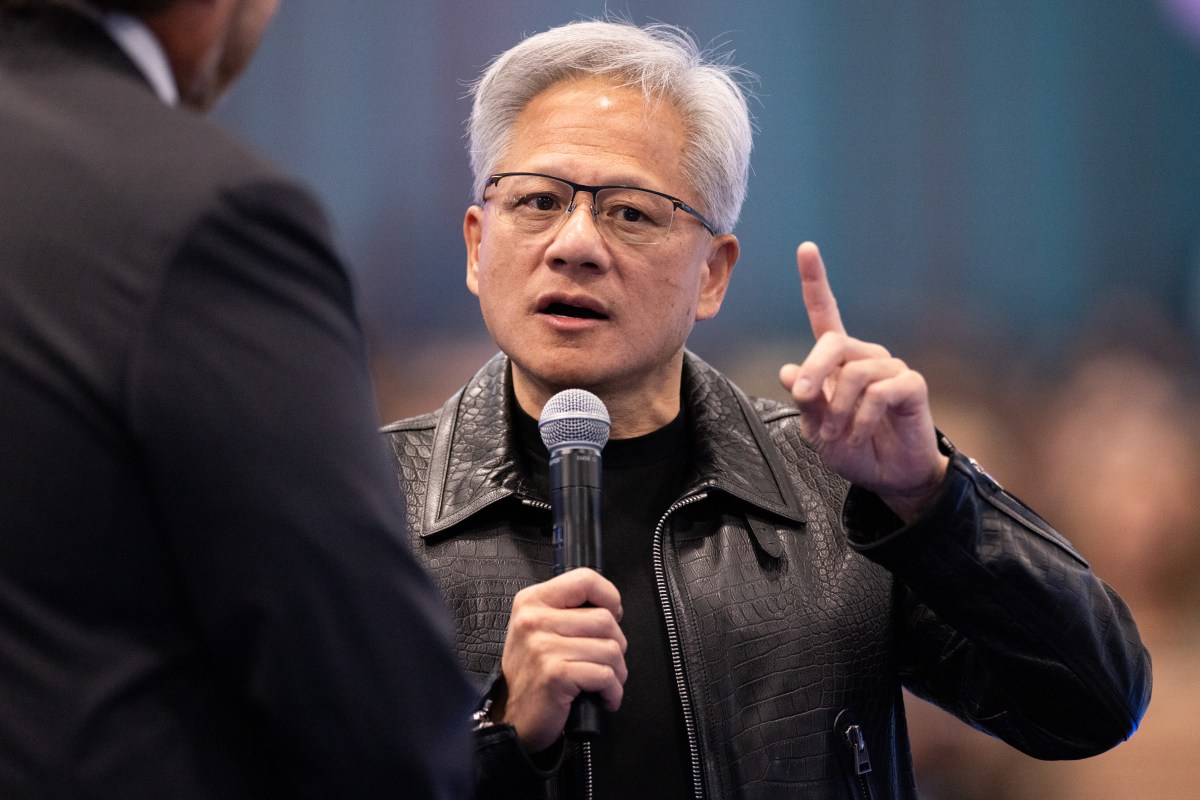
A US intelligence memo alleges that a Megaspeed executive was recruited to spy on Nvidia CEO Jensen Huang. The story, reported by TechCrunch, intertwines national security, industrial relations, and AI governance—core themes for Human Driven AI and the broader conversation on ethical AI in Italy and Europe.
What happened
According to a memo circulated earlier this year and cited by TechCrunch, China's Ministry of State Security allegedly recruited a female tech executive to gather information on Jensen Huang, Nvidia's CEO. The news was followed by a second report in which Nvidia announced an internal investigation into Huang's relationship with the alleged spy. In a company memo, Huang admitted to an extramarital affair but did not comment on the espionage allegations.
The case unfolds against a backdrop of rising technological tension between the US and China, with restrictions on advanced chip exports and investment controls. Nvidia, a leader in AI semiconductors, is at the center of this competition. The incident highlights how information security and executive protection have become strategic priorities for tech companies.
Meanwhile, the US political landscape shows signs of change: after the midterm elections, according to TechCrunch, the data center sector and figures like Elon Musk may face new regulatory challenges. This scenario affects AI infrastructure expansion strategies and data governance.
Why it matters
The Nvidia case is not just an industrial espionage story; it is a wake-up call for the entire AI ecosystem. Trust is fundamental for international collaboration and responsible adoption of generative AI. If companies fear infiltration, knowledge sharing and the development of common standards become harder.
Moreover, the case raises questions about AI governance and the protection of sensitive information. Companies must strengthen internal controls and security procedures while balancing transparency with confidentiality. The EU AI Act introduces risk assessment and monitoring obligations for high-risk systems, but the security of people and decision-making processes remains an open issue.
For workers in the sector, the incident may translate into increased controls and security procedures, with potential impacts on international mobility and talent sharing. For businesses, the challenge is to maintain competitiveness without compromising security. For society, the stakes are trust in technologies that increasingly influence daily life.
The HDAI perspective
Security is not a technical problem; it is a matter of governance and organizational culture. The Nvidia case shows that even the most advanced companies can be vulnerable to geopolitical risks and insider threats. The response cannot be solely technological: it requires transparent decision-making processes, independent audits, and clear accountability. In this sense, responsible AI demands an integrated approach involving leadership, employees, and regulators.
The episode points to the themes we will address at the HDAI Summit 2026 in Pompeii, where experts in ethical AI and AI governance will discuss how to build resilient and inclusive ecosystems. The Human Driven AI philosophy puts people first: security must protect people, not just data. Transparency and accountability are pillars for innovation that leaves no one behind.
What to watch
In the coming weeks, Nvidia's internal investigation and any legal actions will clarify the facts. Meanwhile, the debate on the security of AI supply chains and the protection of sensitive data is set to grow, especially ahead of upcoming European regulatory deadlines. Italian and European companies will need to adapt to an increasingly complex landscape where AI governance becomes a competitive advantage.