
AI: From Leadership Battles to Ethical Applications and Acquisitions
The past week has seen intense activity in the artificial intelligence landscape, with a high-profile judicial verdict, significant corporate acquisitions, and the emergence of new, and sometimes controversial, applications.
What happened
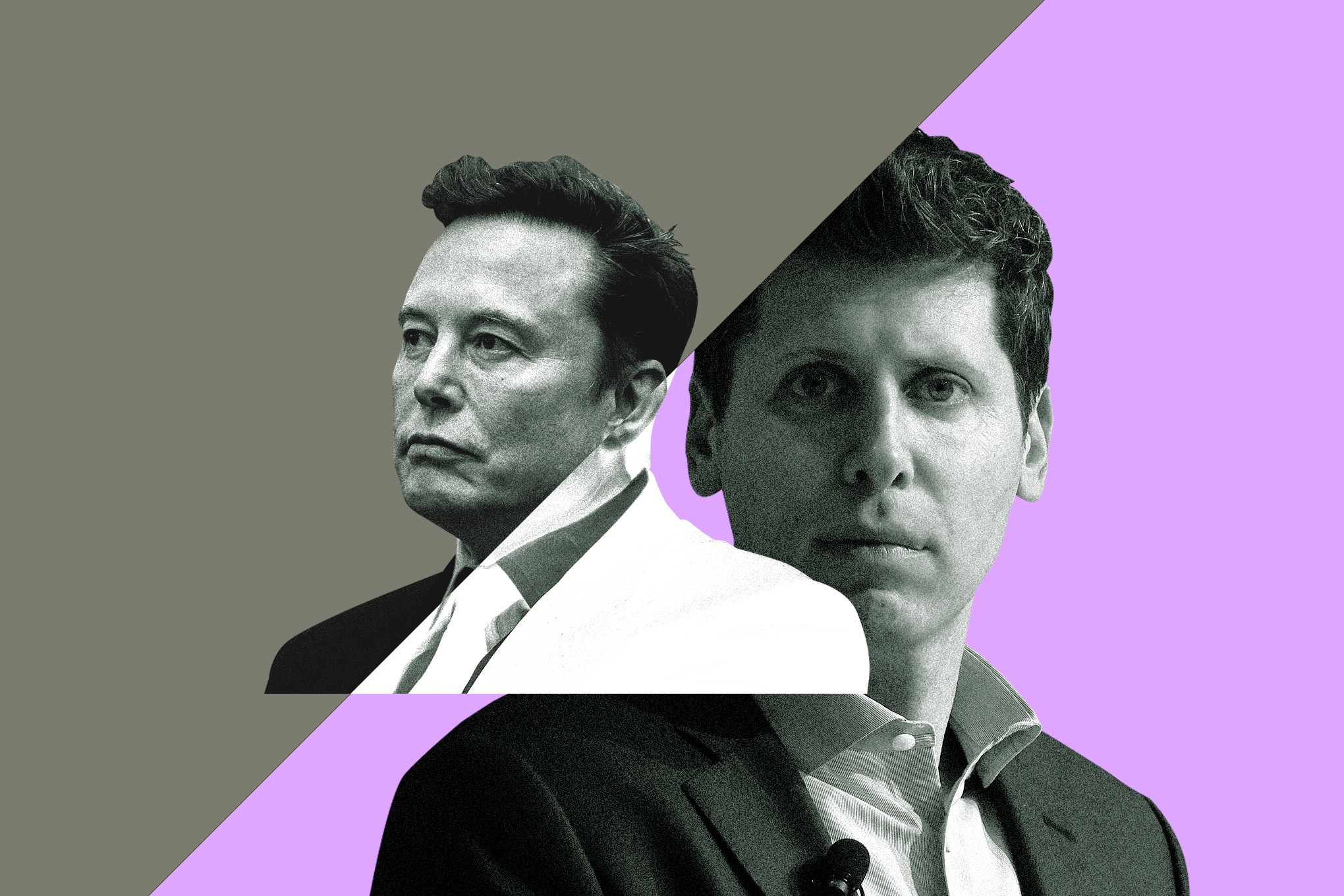
On May 18, 2026, the Musk v. Altman trial concluded, a case that underscored tensions over the leadership and strategic direction of OpenAI. The dispute, described as a fight for control over the future of AI, saw Elon Musk challenge the leadership of Sam Altman, with whom he co-founded the company Musk v. Altman proved that AI is led by the wrong people. The debate over mutual credibility dominated the hearings, as also reported by The Download: Musk v. Altman week 3, and Trump’s tech trading.
On the acquisition front, Anthropic acquired Stainless, a New York-based startup founded in 2022, specializing in automating the creation and maintenance of SDKs (Software Development Kits). Stainless was already used by giants like OpenAI, Google, and Cloudflare, making this acquisition a strategic step for Anthropic in expanding its development ecosystem Anthropic has acquired the dev tools startup used by OpenAI, Google, and Cloudflare. In the application field, SandboxAQ integrated its drug discovery models into Claude, Anthropic's platform. This move aims to democratize access to advanced drug research and development tools, eliminating the need for specialized computational expertise for scientists SandboxAQ brings its drug discovery models to Claude — no PhD in computing required.
However, not all applications are without controversy. Anduril and Meta are collaborating on developing smart glasses for military use. These augmented reality devices are designed to enable voice commands and eye-tracking for operations such as drone strikes, raising significant ethical AI concerns Inside Anduril and Meta’s quest to make smart glasses for warfare.
Why it matters
The Musk v. Altman case is not merely a legal dispute; it's a symptom of the profound uncertainty about who should lead AI development and under what principles. Decisions made today by tech leaders directly influence the ethical and social direction of this technology. The concentration of power in a few hands, or the struggle for it, can slow innovation or steer it toward private interests rather than the common good.
Anthropic's acquisition of Stainless and SandboxAQ's integration with Claude highlight a positive trend towards the democratization of AI tools. Making AI more accessible to developers and researchers across various sectors, such as pharmaceuticals, can accelerate crucial discoveries and bring tangible benefits to society. This shift towards more user-friendly platforms is essential for overcoming technical barriers and allowing a broader audience to harness AI's potential.
The application of AI in military contexts, such as Anduril and Meta's smart glasses, raises fundamental ethical questions. The potential to automate and simplify lethal actions through AI demands deep reflection on moral limits and responsibility. Transparency and governance of these technologies are crucial to prevent misuse and ensure that AI is used responsibly, with constant attention to human impact.
The HDAI perspective
This week's events reaffirm a fundamental truth for Human Driven AI: technology is a tool, and its direction is shaped by human decisions. The contention for control of OpenAI and the development of AI for warfare underscore how the absence of robust governance and clear ethical principles can derail AI's potential. The democratization of AI tools for medical research is an example of how AI can serve progress, but only if guided by human values.
It is imperative that the debate on ethical AI does not remain confined to courtrooms or research labs. We must promote an approach that centers humanity, ensuring that the development and application of AI are transparent, responsible, and oriented towards collective well-being. AI that is inherently ethical and serves humanity. Topics like these will be central to the HDAI Summit 2026 in Pompeii, where experts and citizens will discuss the future of artificial intelligence in Italy and globally.
What to watch
Future regulatory decisions and governance policies, particularly those related to the EU AI Act, will be crucial in defining the ethical and operational boundaries of AI applications, especially in sensitive sectors like defense. It will be important to observe how technology companies balance innovation with social responsibility and how the international community responds to the challenges posed by military AI.