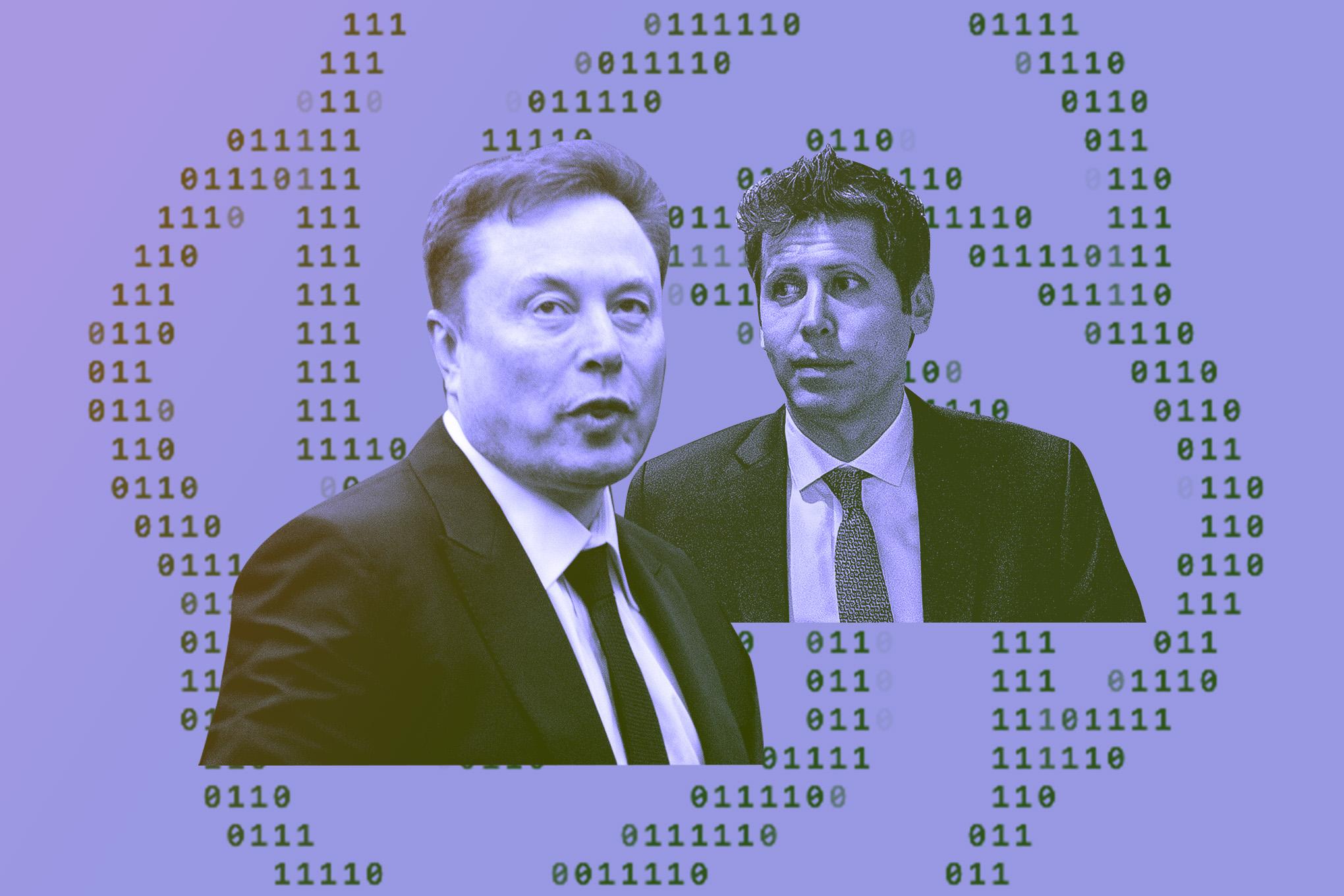
Elon Musk has lost his lawsuit against OpenAI and its CEO, Sam Altman, a verdict with significant repercussions for the future of AI governance.
What happened
The jury delivered a unanimous verdict in favor of OpenAI after just two hours of deliberation, rejecting Musk's claims that the company violated its original mandate to develop AI for the benefit of humanity, not for profit The Verge AI, Wired AI. Musk co-founded OpenAI in 2015 as a non-profit organization but later distanced himself, criticizing its transition to a more commercial model and its partnership with Microsoft. The lawsuit aimed to force OpenAI back to its open-source, non-profit roots.
Why it matters
This ruling is not just a legal victory for OpenAI but an important precedent for the entire industry. It reconfirms the legitimacy of hybrid models (non-profit with a for-profit arm) and companies' freedom to evolve their structure. The implications extend to transparency and accountability in AI development. While Musk's lawsuit focused on the original mission, the underlying debate concerns who controls the most powerful AI technologies and how they are used.
In parallel, the announcement that Amazon Alexa Plus can now generate podcasts with AI The Verge AI demonstrates the rapid commercialization and democratization of AI tools, bringing generative AI directly into consumers' hands. This raises questions about quality, authenticity, and the potential proliferation of automatically generated content, highlighting the need for robust AI governance.
The HDAI perspective
The court's decision, while resolving a legal dispute, does not close the fundamental debate about AI's direction. For Human Driven AI, the central question remains how to balance rapid innovation with the need for robust governance and ethical principles. Musk's defeat underscores the complexity of defining and enforcing an ethical "mission" in such a rapidly evolving sector. It is essential that discussions on governance are not limited to courtrooms but involve a broad spectrum of stakeholders, as will be done at the HDAI Summit 2026.
The proliferation of tools like Alexa Plus, which put AI content generation capabilities into everyone's hands, makes the need to educate users and develop clear guidelines for responsible use even more urgent. This is not a technical problem; it is a problem of governance and human awareness.
What to watch
The industry will continue to observe how OpenAI balances its commercial objectives with its stated commitment to safe and beneficial AI. It will be crucial to monitor the implementation of regulations like the EU AI Act and the emergence of new global standards for AI accountability. The evolution of generative AI capabilities, such as those of Alexa Plus, will require constant attention to social implications, from misinformation to the redefinition of creative roles.