Recent research is reshaping how artificial intelligences learn and collaborate, emphasizing the verifiability of "skills" and coordination engineering for multi-agent systems.
What happened
Agent "skills" – structured packages of instructions and scripts that augment large language models (LLMs) without modifying the models themselves – have become first-class deployment artifacts. However, their nature necessitates rigorous verification: a skill is considered untrusted code until its correctness is proven. This requires a trust schema and biconditional correctness criteria to ensure that what a skill claims to do matches its actual behavior, as highlighted by the research Skills as Verifiable Artifacts.
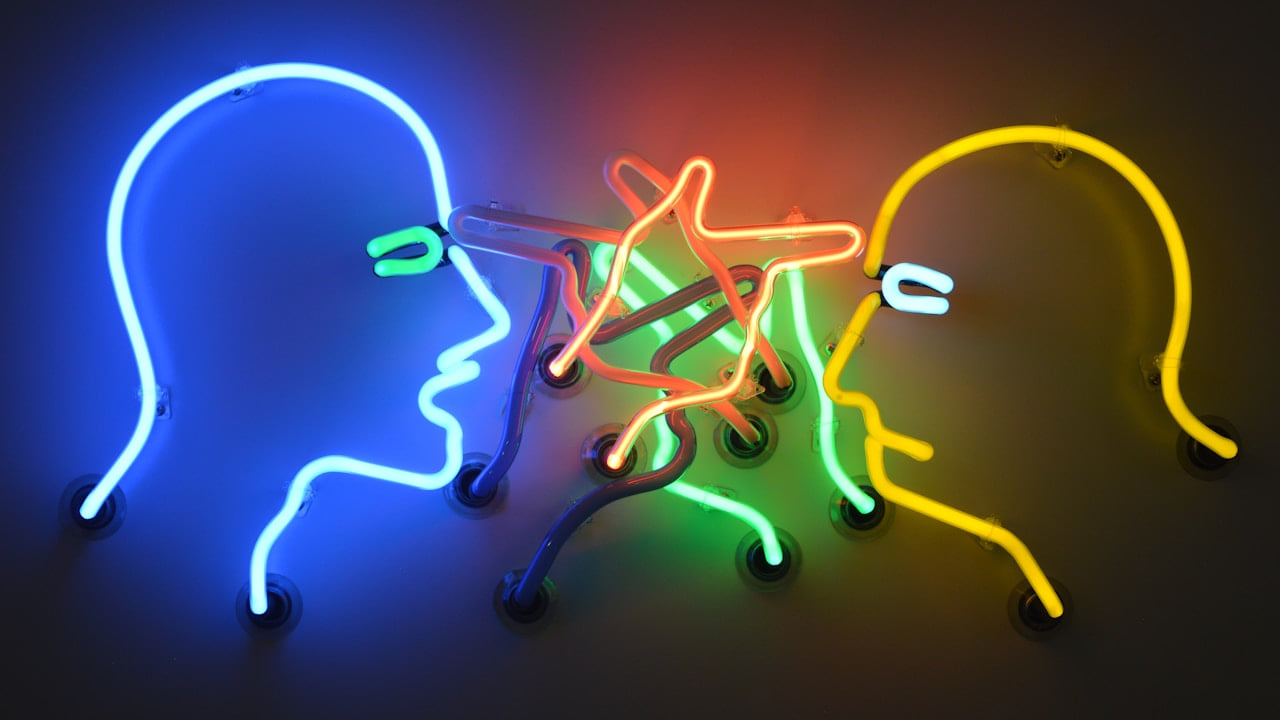
Concurrently, the paradigm of AI engineering is shifting from single-agent prompt engineering towards multi-agent Coordination Engineering. The ability to codify and systematically improve how multiple agents collaborate has emerged as a critical bottleneck. Currently, coordination protocols remain locked within framework-specific code or static configurations, preventing them from being shared or autonomously improved over time. The research proposes a new approach to specify portable, self-evolving multi-agent systems, termed Swarm Skills, to overcome these limitations, according to the study Swarm Skills: A Portable, Self-Evolving Multi-Agent System Specification.
Why it matters
This evolution marks a significant turning point for AI development. The transition to multi-agent systems promises the ability to tackle tasks of unprecedented complexity but also introduces new challenges in terms of control, predictability, and safety. The lack of standardized mechanisms for skill verification and agent coordination can lead to unexpected or undesirable behaviors, with potentially severe consequences in critical sectors such as medicine or industrial automation. The May 18, 2026 arXiv research underscores the growing urgency to establish standards of trust and interoperability.
Furthermore, the portability and self-evolution of multi-agent skills could accelerate innovation, allowing developers to share and improve AI components more efficiently. This, however, demands even greater attention to transparency and auditability, to ensure that the evolution of these systems remains aligned with human values and intended goals.
The HDAI perspective
For Human Driven AI, these research findings underscore a fundamental principle: technological advancement must be inseparable from the assurance of reliability and control. The notion that a "skill" is untrusted code until proven otherwise is a cornerstone for developing ethical AI and responsible systems. Without robust mechanisms to verify agent behavior and their ability to coordinate predictably, the risk of opaque and potentially harmful systems increases exponentially.
It is essential for the research community and developers to adopt these verification and coordination approaches from the earliest design stages. This topic will be crucial at the HDAI Summit 2026 in Pompeii, where we will discuss how innovation can proceed hand-in-hand with governance and responsibility, ensuring that AI remains a tool serving humanity.
What to watch
Future developments will focus on the practical implementation of these trust schemas and the creation of frameworks that enable true interoperability and self-improvement of multi-agent systems. It will be critical to observe how these theoretical specifications translate into concrete tools for developers and how they will be integrated into emerging regulations, such as the EU AI Act.