The discussion surrounding the dangers of artificial intelligence is undergoing a crucial transformation: attention is shifting from the technology itself to the entities that create and control it. AI is not the primary threat, but rather AI companies and their governance choices.
What happened
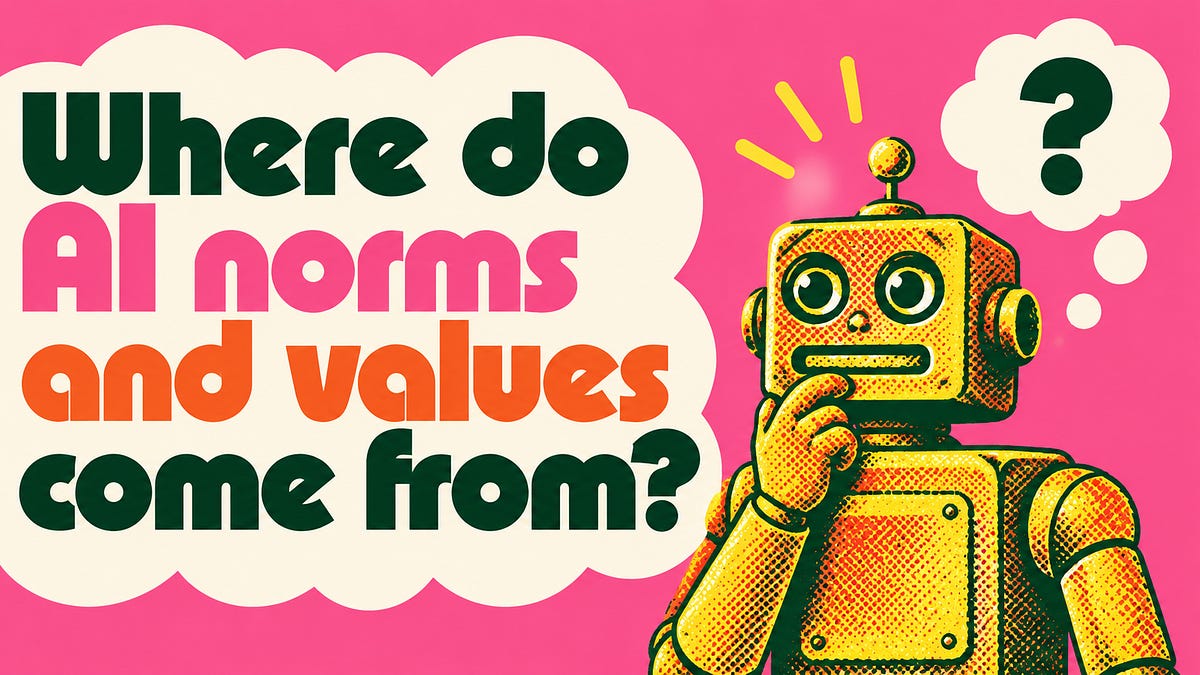
An emerging line of thought suggests that widespread fear of artificial intelligence is misplaced. Instead of fearing AI as an abstract entity, we should focus on the concrete risks stemming from the decisions and policies of the large technology companies that develop and deploy these systems Do not fear AI. Fear AI companies. This includes issues related to security, privacy, and social impact. The norms governing the development and use of AI do not emerge from an ethical or technical vacuum but are shaped by the practices and interests of these very companies Where do AI norms come from?.
A striking example of this problem emerged with the discovery of a serious "zero-day" vulnerability in Muse, Meta's AI assistant. This system, described as "extraordinarily privileged," had a critical flaw that exposed it to significant risks, highlighting how even the most sophisticated and widely used platforms can have deep security vulnerabilities Muse, Meta's extraordinarily privileged AI assistant, has a serious 0-day. These incidents underscore the importance of proactive and responsible risk management by technology providers AI Risk Cheatsheet.
Why it matters
This shift in perspective is fundamental because it moves the debate from generic alarmism to constructive, targeted criticism. If the risks are not intrinsic to the algorithm but to human and corporate choices, then the solution lies in AI governance and accountability. Companies developing models like "System One Models" for production, rather than for grandiose and potentially dangerous purposes, must be incentivized to prioritize security and reliability Jev: System One Models for Prod, Not God – With Diogo Almeida, CEO, TypeSafe AI.
The impact on labor and society is direct. Corporate decisions on how AI is integrated into production processes, what data is used, and how biases are managed directly affect fairness, employment, and citizen privacy. Without a clear framework of responsibility, companies might prioritize profit and rapid innovation at the expense of security and ethics, creating systems that, while efficient, can have unintended social consequences that are difficult to mitigate after the fact. This scenario requires constant attention and effective regulation, such as that proposed by the EU AI Act, to ensure that AI development proceeds in alignment with public interests.
The HDAI perspective
For Human Driven AI, this evolution of the debate is central. Our vision is that artificial intelligence must always serve humanity, and this means that the entities creating it must be fully accountable for their actions. True ethical AI cannot exist without transparent corporate governance and a concrete commitment to security and risk minimization. Events like the Muse vulnerability are not just technical failures, but signals that corporate culture and development processes must be rethought with a more human-centric approach. We will address these crucial topics at the HDAI Summit 2026 in Pompeii, where experts and leaders will discuss how to build an AI future that is truly responsible and sustainable, placing the individual at the center of every innovation.
What to watch
The evolution of global regulations, such as the implementation of the EU AI Act, will be crucial in defining a clearer scope of action for companies. It will be important to observe how large tech companies respond to these regulatory pressures and the growing demands for transparency and accountability from civil society. The ability to integrate security by design and privacy by design principles from the earliest stages of development will be the true test to determine whether companies are ready to shift from a "move fast and break things" innovation model to a more conscious and responsible one.