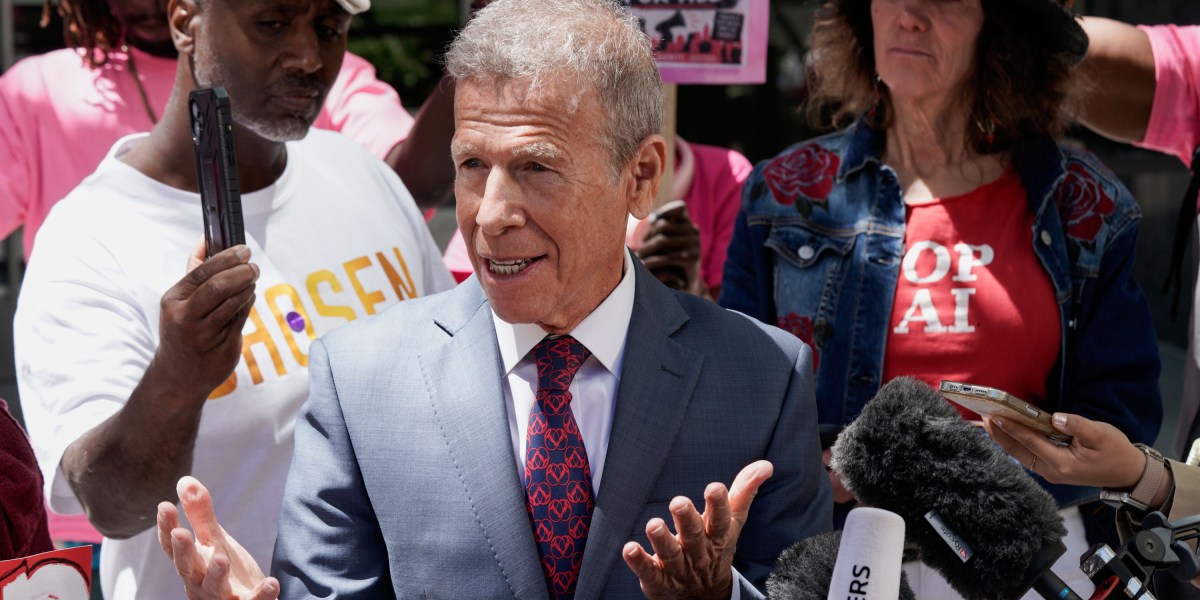
Elon Musk has lost his lawsuit against OpenAI, with a jury issuing a unanimous advisory verdict that the legal action was filed too late, rendering his claims barred by the statute of limitations.
What happened
On May 18, 2026, the jury in Musk v. Altman dealt Elon Musk a major blow, ruling that his lawsuit against OpenAI was filed too late. U.S. District Judge Yvonne Gonzalez Rogers immediately accepted the verdict MIT Technology Review AI. Musk had accused OpenAI, its CEO Sam Altman, and President Greg Brockman, of betraying the company's original non-profit mission by pivoting towards a for-profit model. Despite the loss, Musk announced his intention to appeal MIT Technology Review AI.
Concurrently, the artificial intelligence sector saw other significant developments. Google held its annual developer conference, I/O, where it positioned itself as a third player in the foundation model race MIT Technology Review AI. Furthermore, a new report from HPE Threat Labs highlighted an alarming industrialization of the cybercrime landscape. Throughout 2025, cybercriminals adopted more structured methodologies, leveraging automation and AI to scale and accelerate their attacks, exploiting long-standing vulnerabilities MIT Technology Review AI.
Why it matters
The legal decision in the Musk v. OpenAI case has significant implications for AI governance and the broader debate on the nature and purpose of artificial intelligence companies. It underscores the legal and contractual complexities surrounding AI startups, especially when their missions evolve from non-profit models to for-profit entities. This case highlights the need for greater clarity and transparency in founding agreements and strategic direction to prevent future disputes that could hinder innovation or undermine public trust.
Google's position, though third, demonstrates the fierce competition in the foundational model space and the continuous drive for innovation. This competition, if not carefully managed, can lead to a development race that overlooks ethical considerations. The rise of AI-facilitated cybercrime serves as a concrete warning about the dual-use risks of these technologies. It shows how powerful tools can be diverted for malicious purposes, making the development of robust defenses and responsible AI by design indispensable.
The HDAI perspective
The Musk v. OpenAI case, beyond its legal outcome, reignites a fundamental debate for the Human Driven AI approach: what values should guide the development of artificial intelligence? The tension between profit and ethical principles is at the heart of this discussion. For us, transparency, accountability, and a focus on collective well-being are essential. The pursuit of ethical AI and human-centric systems must take precedence over economic interests and legal disputes, ensuring that innovation serves humanity and not just profit. This means not only developing advanced technologies but also establishing clear and robust AI governance that prevents abuses, such as those seen in cybercrime, and promotes sustainable and inclusive development. These are central themes we will address at the HDAI Summit 2026 in Pompeii.
What to watch
With Musk's announced appeal, the OpenAI legal saga may not be over yet. The evolution of global regulation, such as the EU AI Act, will be crucial in defining the ethical and legal boundaries within which AI companies must operate, influencing both innovation and user protection. It will be important to monitor how companies respond to these new regulatory challenges and how the market adapts to an increasingly regulated and risk-aware landscape.