
An open-source project explored the use of AI models to improve RISC-V CPU design months before OpenAI published its research on the same topic. The story, reported on Hacker News, raises questions about how AI innovation is developed and shared, and what it means for AI governance and ethical AI.
What happened
In April 2026, an independent developer created auto-arch-tournament, an open-source project to test how well different AI models can improve a RISC-V CPU. Results are tracked on HWEBench, a benchmarking platform. The finding is that OpenAI, in its post on chip design, explored a similar question, but months behind the open-source initiative (Hacker News).
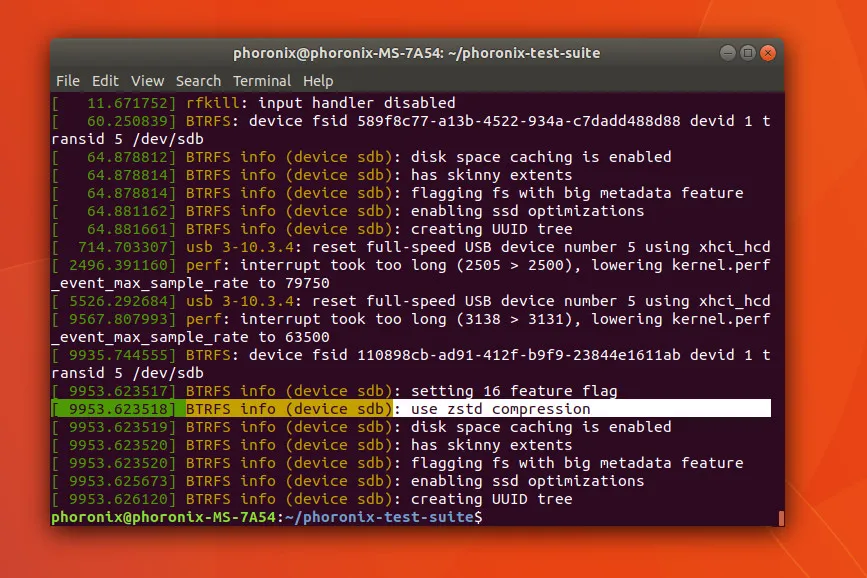
On the same day, other news animated the tech community. Btrfs, the Linux file system, announced new guidelines for handling interactions between LLMs and inexperienced users, to prevent harm (Phoronix). A public database of AI agent incidents was also launched (Experiment Empire), while a project called Frontier Observatory offers a visual timeline of what AI labs ship (Frontier Observatory). Finally, a Gallup study investigated how young people feel about AI companions (404 Media).
These seemingly unrelated events converge on one theme: the growing pervasiveness of AI and the need for tools to monitor, understand, and govern it.
Why it matters
The RISC-V design story shows that AI innovation is no longer the exclusive domain of large labs. Open-source projects can anticipate or complement big companies, democratizing research. However, this raises questions of responsible AI: if an AI model can design hardware components, who ensures the results are safe and reliable? Model and process transparency becomes crucial.
The Btrfs case highlights the risks of LLM use by non-experts: without guidance, hallucinations can cause concrete harm. The need for guidelines and AI governance is palpable. The AI agent incident database represents a first step toward public accountability, but the road is long. The AI labs timeline, for its part, offers an observation tool, but not regulation.
Finally, the study on young people and AI companions touches the emotional and social sphere. While these tools can offer support, they also raise questions about dependence and isolation. AI for society must take these aspects into account.
The HDAI perspective
The lesson from these events is that AI innovation without transparency and human oversight is a systemic risk. Open source can be an ally of governance, because it allows models to be verified and improved, but it is not enough: shared standards and independent audits are needed. Initiatives like the incident database and Btrfs guidelines are positive signals, but fragmented.
In this scenario, Human Driven AI promotes an approach that puts people and communities at the center. Ethical AI is not a brake on innovation, but a way to make it sustainable and inclusive. The HDAI Summit 2026 in Pompeii will be an opportunity to discuss these issues with experts, companies, and citizens, and to build together a future where technology serves humanity, not the other way around.
What to watch
In the coming months, watch how AI labs respond to pressure for transparency and whether open-source projects like auto-arch-tournament gain visibility. Also keep an eye on developments in the incident database and AI governance initiatives at the European level, particularly the EU AI Act. The road to responsible AI is long, but the direction is clear.