AI and the Future of Work: The 'Labor Theft' Debate
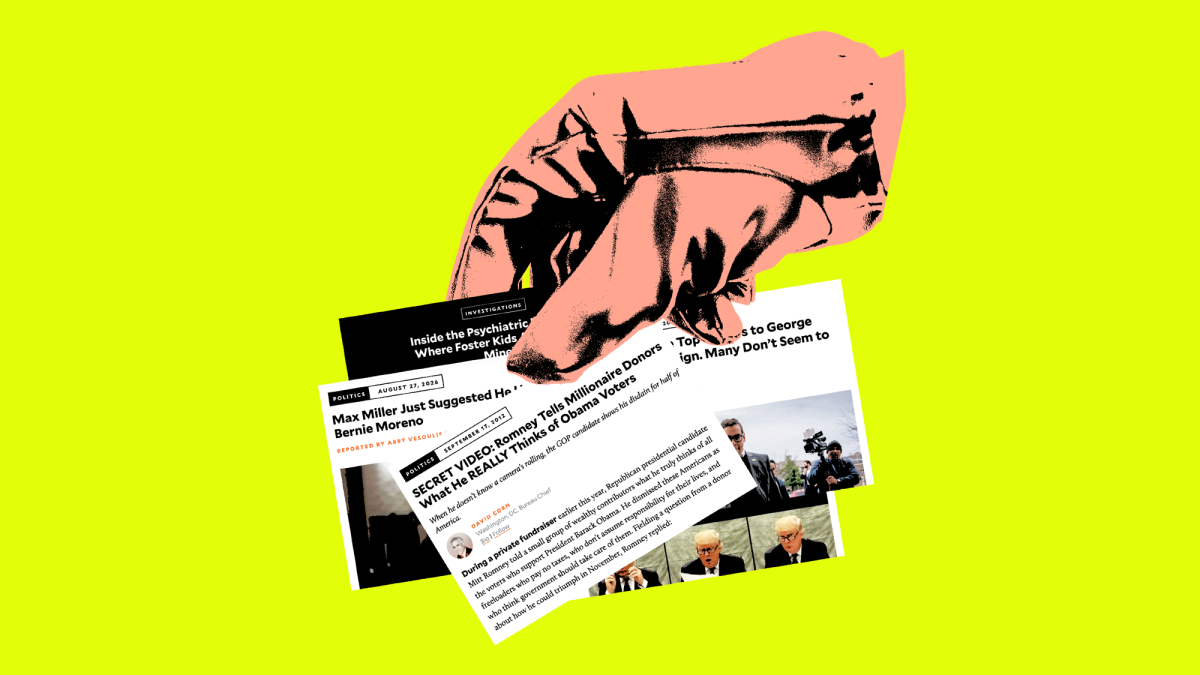
An AI industry executive recently made a startling claim, suggesting that the sector might have pulled off "the largest theft of labor in human history." This statement reignites the critical debate surrounding the profound impact of artificial intelligence on the job market and society.
What happened
The controversial declaration, reported by Mother Jones, emerges amidst increasing legal and ethical scrutiny over how generative AI models are trained. The anonymous executive, reportedly linked to a major AI company, voiced this concern regarding the massive use of copyrighted data and creative works to feed algorithms, often without adequate compensation for original creators. This raises fundamental questions not only about intellectual property but also about the remuneration of human labor that forms the basis of the knowledge and creativity utilized by AI.
Simultaneously, the debate intensifies on how AI is redefining professional roles and wage expectations, as highlighted in discussions about the future of jobs and wages in the era of advanced automation. While some view AI as an opportunity for liberation from repetitive tasks, a perspective also expressed in articles like "AI Replacing Me? Please Do", others fear a systemic devaluation of broad segments of the workforce.
Why it matters
The AI executive's statement is not merely provocative; it touches a raw nerve: the distribution of value generated by AI. If models are trained on human works without compensation, and then used to automate or replace those very job functions, it creates a significant economic and social imbalance. This scenario threatens not only creative industries but also knowledge-based professions, potentially leading to wage reductions and unemployment for millions. The issue is not just about task replacement but the necessity for massive reskilling and new forms of social protection. It is imperative that individuals and organizations adapt by fostering a culture of continuous learning, as suggested in "The Case for Learning in the Era of AI". Without a proactive approach, the gap between those who benefit from AI and those who suffer its consequences could widen, generating social and economic tensions.
The HDAI perspective
Human Driven AI has always been committed to promoting artificial intelligence that serves humanity, not at its expense. The "labor theft" statement underscores the urgent need for robust AI governance and strong ethical principles. We cannot allow technological innovation to proceed without considering its human and social repercussions. It is crucial to develop business models that ensure fair compensation for content creators and all workers whose skills are integrated into AI systems. This includes defining new legal frameworks for copyright in the digital age and implementing support policies for professional transitions. The "labor theft" debate is not just a legal matter but an ethical wake-up call, urging us to reflect on how to build a future where AI augments human capabilities rather than depleting them. Topics like this will be central to the discussions and proposals at the HDAI Summit 2026 in Pompeii, where global experts will convene to chart a path towards responsible and inclusive AI.
What to watch
The next moves by regulatory authorities, such as the implementation of the EU AI Act, will be crucial in defining the legal and ethical boundaries of AI model training and labor compensation. It will be equally important to observe how major tech companies, like OpenAI and Microsoft, respond to these criticisms and whether they adopt new standards for transparency and value redistribution. The adaptability of educational systems and labor policies to this new reality will be decisive in mitigating negative impacts and maximizing AI's benefits for all.