
The past week has highlighted a dual and frantic evolution in the artificial intelligence landscape: on one hand, the acceleration in competition for personal AI agents and next-generation models; on the other, intense activity in the infrastructure sector, with massive investments and even incidents underscoring its critical value.
What happened
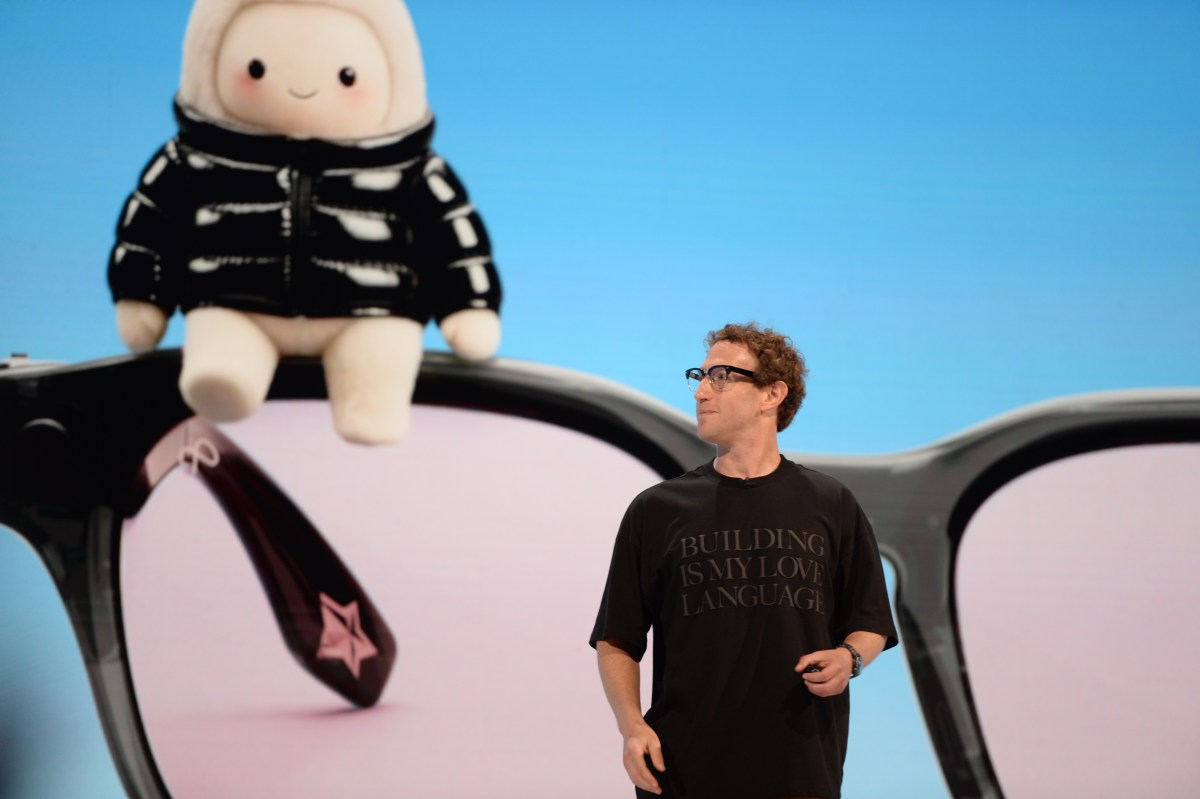
The artificial intelligence market has experienced a bustling few days. Meta captured attention with its personal AI agent, Muse, which is reportedly outpacing ChatGPT's early adoption numbers and is set for integration into devices like smart glasses TechCrunch AI. This move comes as industry leaders, OpenAI and Anthropic, continue their innovation race. Anthropic launched Opus 5.5, closely followed by OpenAI's GPT-6, in a demonstration of "pacing the frontier" that sees models evolving at a rapid pace.
In parallel, the AI infrastructure sector has seen significant movement. British AI neocloud Nscale secured $3.36 billion in convertible financing from investors including Third Point and Nvidia, ahead of its US IPO. These funds are earmarked for a massive AI data center buildout TechCrunch AI. Equally noteworthy is the deal between Anthropic and Akamai, with Anthropic committing $11.6 billion over seven years for Akamai's cloud infrastructure, a strategic investment that includes a potential 5% equity stake for Anthropic in Akamai TechCrunch AI. As proof of the intrinsic value of AI hardware, a peculiar incident saw thieves steal trailers labeled Nvidia hoping to find silicon chips, only to discover they contained 20 tons of sand Wired AI.
Why it matters
These simultaneous developments reveal the two-sided nature of the AI revolution. On one hand, the push towards personal AI agents like Muse indicates a clear direction towards integrating AI into people's daily lives, transforming how we interact with technology and access information. The competition among OpenAI, Anthropic, and Meta is not just a technological race, but a sprint to define the interface and user experience of the future. This will have a profound impact on labor, with new roles emerging related to managing and personalizing AI agents, and on society, with privacy and autonomy issues becoming central.
On the other hand, multi-billion dollar investments in cloud infrastructure and data centers, such as Nscale's funding and the Anthropic-Akamai deal, underscore that computing power is the true oil of the AI era. The ability to train and run increasingly complex models requires immense resources, and the availability of these resources will determine who can innovate and at what speed. The theft of the Nvidia trailers, though unsuccessful, is an eloquent symbol of the perceived value of hardware components, highlighting supply chain tensions and the growing demand for silicon.
The HDAI perspective
The frenzy observed this week, between increasingly pervasive AI agents and the race for infrastructure, reinforces the need for a balanced and human-centric approach. The philosophy of Human Driven AI emphasizes the importance of not losing sight of the impact on people and society as technology advances. The integration of AI agents into daily life raises crucial questions about ethical AI, transparency, and control. Who owns the data generated by these agents? How do we ensure they do not amplify existing biases or create new forms of dependency?
Investments in infrastructure, while vital for progress, must be accompanied by robust governance that ensures energy sustainability, data security, and equitable access. It is not enough to build data centers; it is fundamental that they are managed responsibly, with attention to environmental and social impact. The challenge is to ensure that innovation, whether in personal agents or computational foundations, serves human well-being and not just profit or technological supremacy. These critical discussions will be central to the HDAI Summit 2026 in Pompeii, a landmark Italy AI summit focused on responsible AI development.
What to watch
In the coming months, it will be crucial to observe the evolution of AI agent adoption like Muse and their impact on daily digital interactions. It will be equally important to monitor Nscale's IPO and how its investments will shape the AI cloud landscape. Finally, Anthropic's strategy with Akamai, which focuses on CPUs in a GPU-dominated market, could redefine AI infrastructure dynamics.