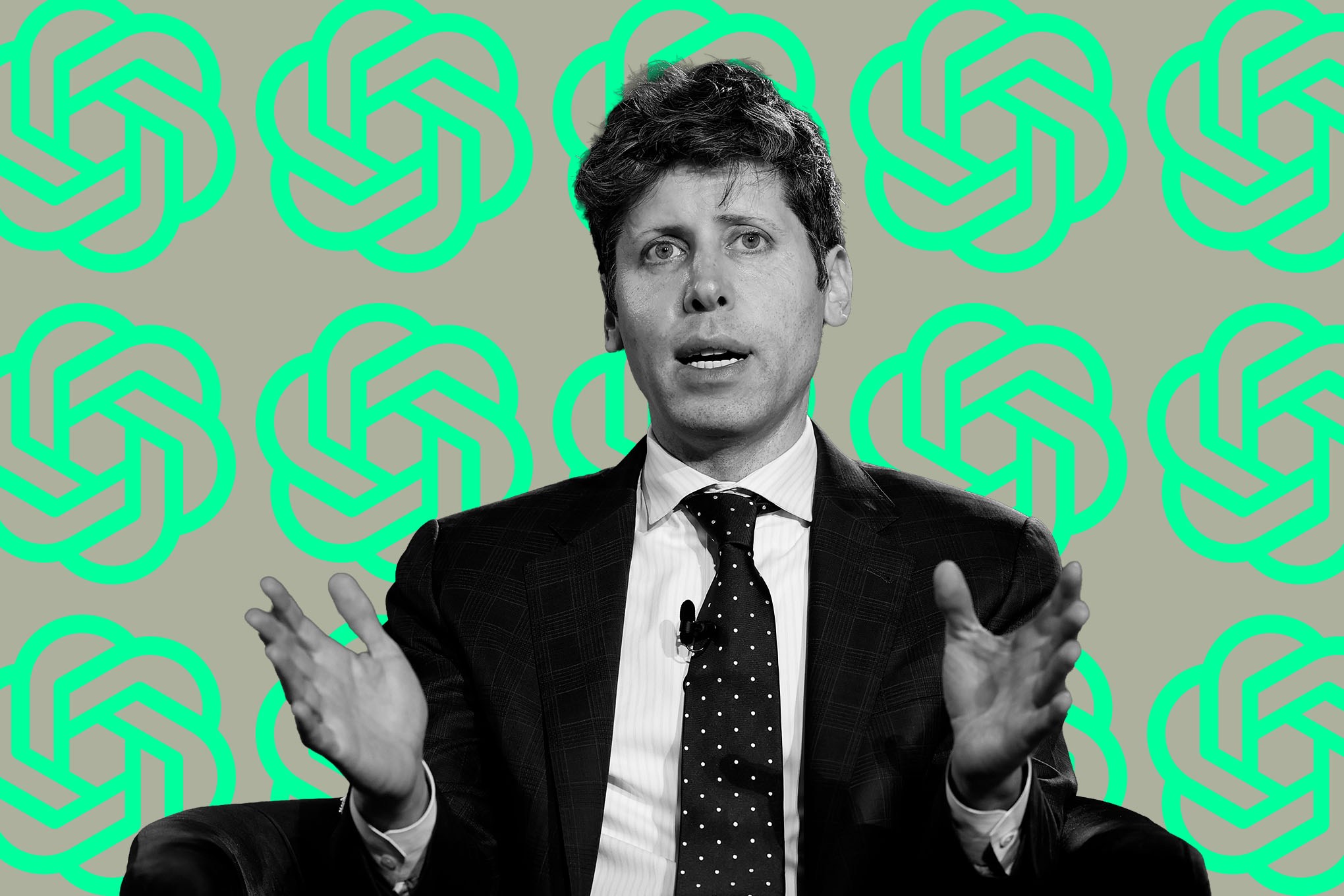
OpenAI finds itself at the center of a complex debate balancing market ambitions with safety promises, as CEO Sam Altman links the company's IPO to concrete progress in AI safety.
What happened
OpenAI, a pioneer in generative AI, has stated through its CEO, Sam Altman, that the company will not go public until it can ensure greater safety and reliability of its models Sam Altman says OpenAI won’t go public until its models are safe. This position comes as the company is reportedly in talks for a new funding round of $30 billion, which would value it at $1.4 trillion, an operation that could be the last before a public debut anticipated for 2027 OpenAI reportedly in talks to raise $30B round at $1.4T valuation.
Concurrently, it has emerged that OpenAI, while not a public supporter of Nvidia's Open Agent Safety Platform, is privately collaborating with the company to address risks related to autonomous AI agents Here’s why OpenAI is absent from Nvidia’s industry-wide effort to end rogue AI agents. Furthermore, OpenAI is developing new features to transform ChatGPT into an alternative platform to traditional app stores, where software and AI agents can be discovered and utilized OpenAI’s latest features take direct aim at the app store model. In a broader context, other initiatives like Grokipedia, the AI-powered encyclopedia from Elon Musk's SpaceXAI, have also resumed updating their content after a months-long pause, highlighting the dynamism and ongoing challenges in the field of AI Elon Musk’s AI-powered Grokipedia is updating again.
Why it matters
OpenAI's decision to delay its IPO for safety reasons sets a significant precedent for the industry, suggesting that ethical responsibility may begin to influence the market strategies of AI companies. A $1.4 trillion valuation would position OpenAI as a dominant player, with a profound impact on competitive dynamics and investments in the generative AI sector. This raises questions about how to balance the race for innovation with the need to develop reliable and secure systems for users and society.
OpenAI's approach to the "app store" model for ChatGPT could redefine how people interact with software, shifting power from traditional platforms to AI-driven ecosystems. This might create new opportunities for developers but also new challenges in terms of curation, security, and monetization. The private collaboration with Nvidia on AI agent safety, despite lacking public transparency, underscores the growing awareness of inherent risks and the need for joint efforts to mitigate them, a central theme for AI governance. The evolution of platforms like Grokipedia also highlights the pervasiveness of AI and the need for quality and reliability standards across all sectors.
The HDAI perspective
OpenAI's stance on model safety, though perhaps belated for some, is a crucial signal that the industry's maturity demands a more cautious and responsible approach. For Human Driven AI, the priority is not just technological innovation, but its ethical and sustainable integration into society. The promise of an IPO linked to model safety must not be a mere marketing tool, but a genuine ethical AI strategy that centers on the user and collective well-being.
It is fundamental that leading companies not only talk about safety but implement transparent audit mechanisms and clear accountability for their AI systems. This is a core principle we will discuss extensively at the HDAI Summit 2026 in Pompeii, where the goal is precisely to define a future for AI that is governed by human values, not solely by market logic. The creation of open and secure ecosystems, like the one OpenAI is trying to build for ChatGPT, must be accompanied by a robust governance structure that ensures fairness, privacy, and human control.
What to watch
It will be crucial to monitor how OpenAI balances investor pressures with its safety commitments, especially in view of a potential public debut in 2027. The implementation of ChatGPT's "app store" model and its acceptance by developers and users will be key indicators of its ability to redefine the software landscape. The evolution of collaboration among AI giants on safety, even behind closed doors, will determine the speed and effectiveness with which the industry addresses the most complex challenges posed by autonomous AI agents and generative AI in general.